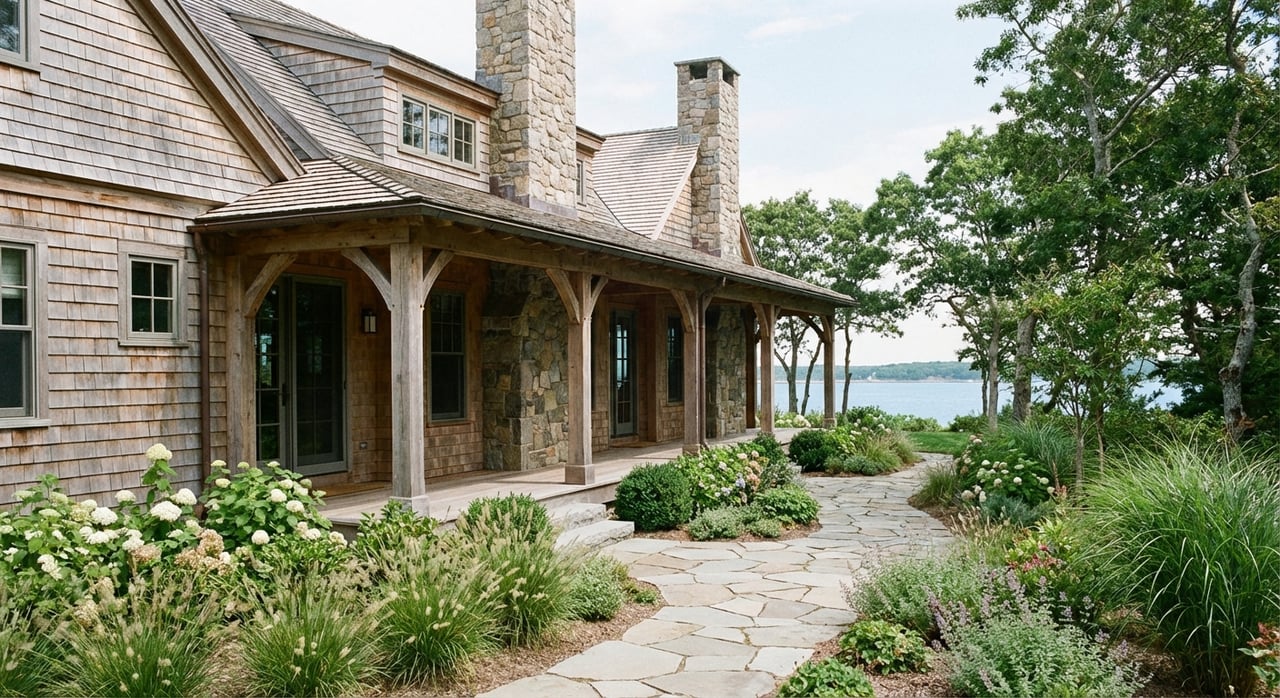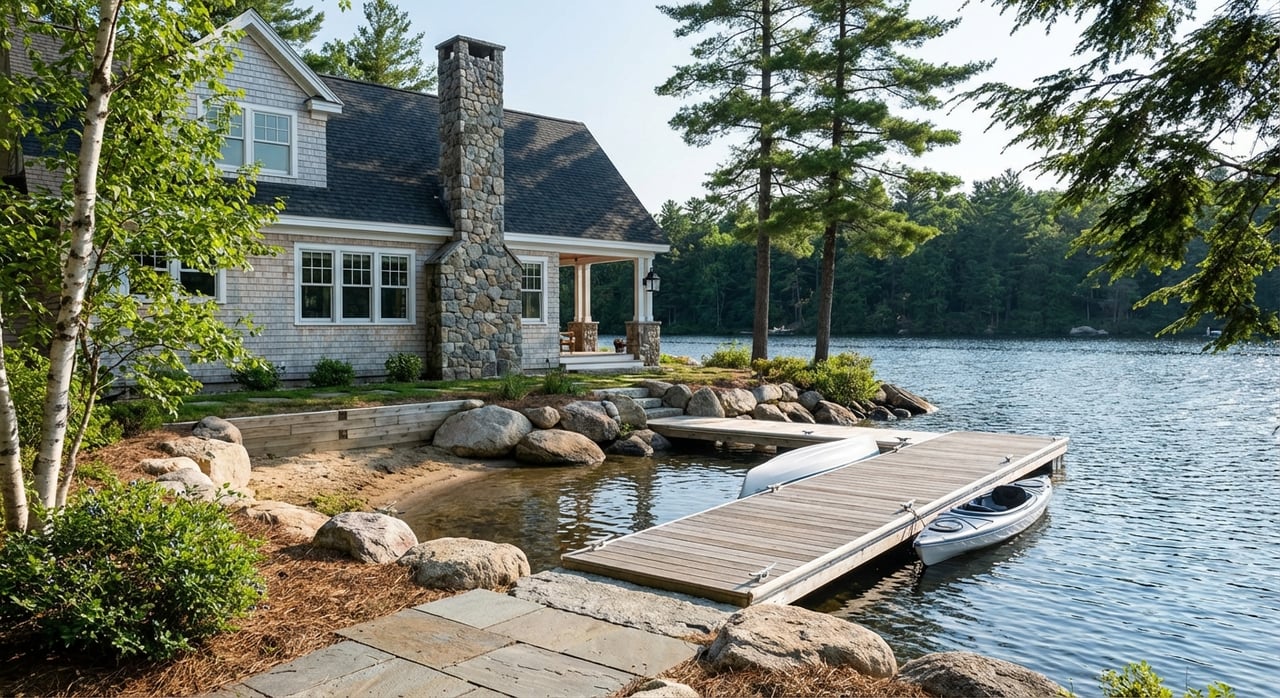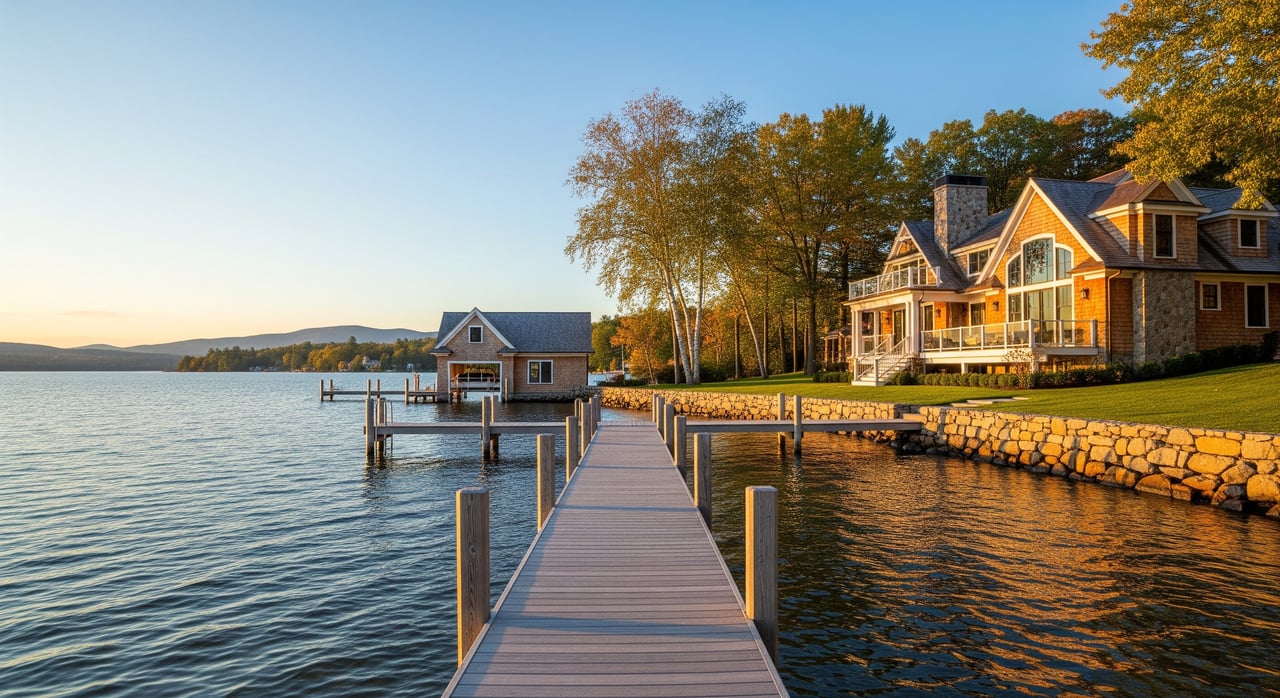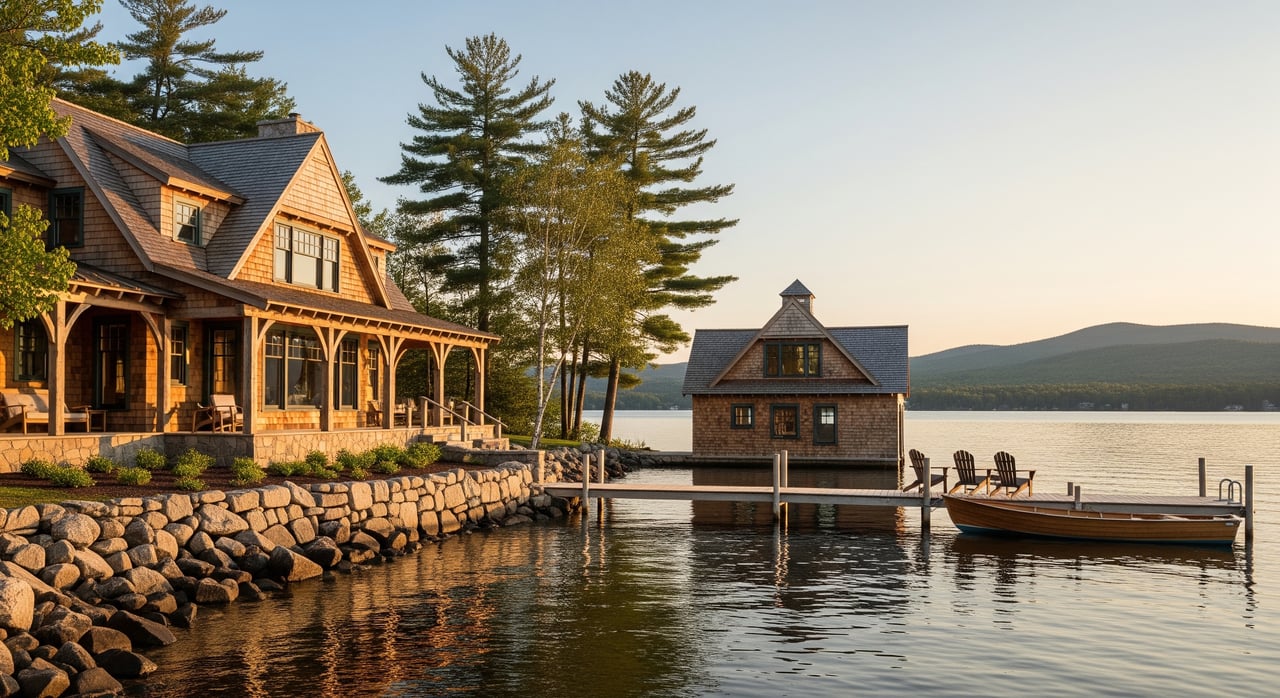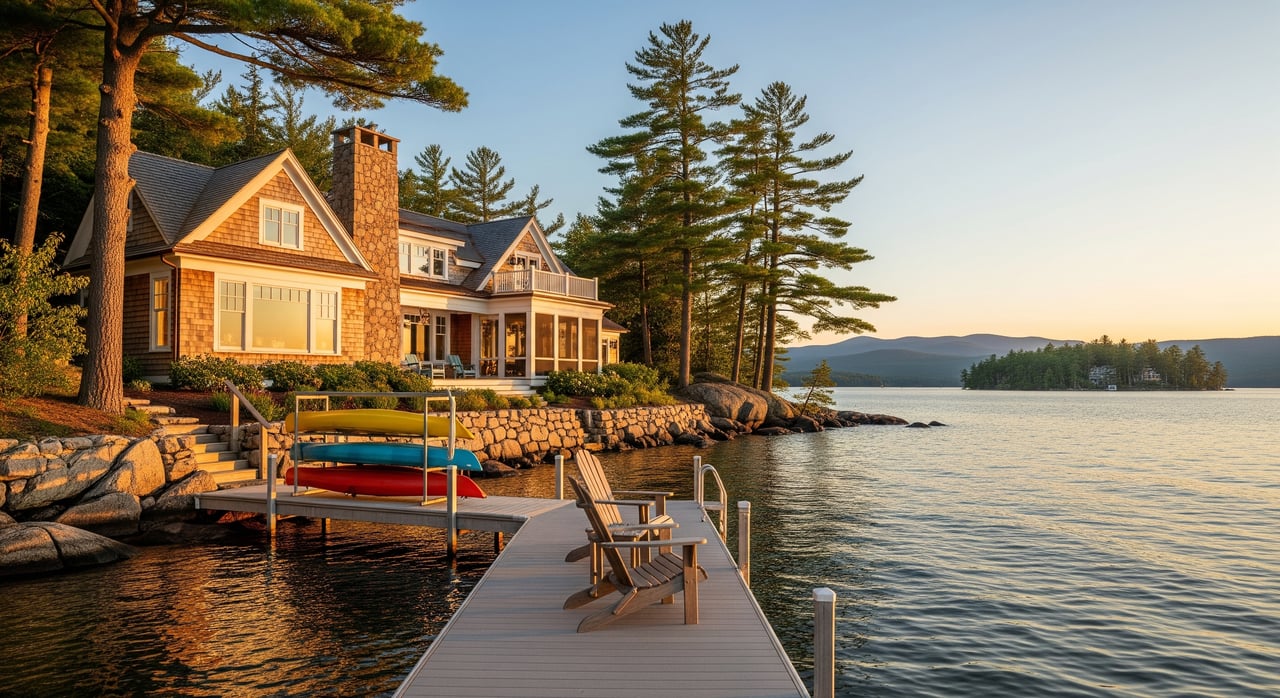
Thinking about listing your Moultonborough property for weekend or weekly stays? Before you publish that first listing, it pays to understand how short-term rentals work here in New Hampshire’s Lakes Region. The right setup helps you protect your investment, avoid fines, and deliver a safe, enjoyable experience for guests and neighbors. In this guide, you’ll learn what to verify with the town and state, how taxes and safety rules apply, and a practical checklist to get started. Let’s dive in.
What counts as a short-term rental
Short-term rentals are typically stays of fewer than 30 days, but exact definitions come from local ordinances. Moultonborough can classify STRs differently based on zoning and use. That is why it is essential to confirm how your property’s zone treats short stays and whether your plan requires a permit or special approval. When in doubt, ask for the ordinance text or written guidance.
State vs. town rules: who regulates what
New Hampshire sets the baseline for taxes and life safety, while the Town of Moultonborough controls land use. At the state level, you will likely interact with the Department of Revenue Administration for rooms and meals tax, the Department of Environmental Services for septic and shoreland matters, and the Fire Marshal for safety standards. Locally, the Town Clerk, Planning and Zoning, Building/Code Enforcement, and the Fire Department guide what is allowed at your specific address. Carroll County provides records and courts, but zoning and enforcement decisions are municipal.
Zoning and permits: what to check for your address
Zoning determines whether your property can operate as a short-term rental and under what conditions. Start by identifying your parcel’s zoning district, then confirm whether STRs are an allowed use, an accessory use, a home occupation, or if they require a special exception. Ask about minimum lot size, setbacks, guest capacity, and whether a Certificate of Occupancy change is needed for transient lodging.
Registration or permit requirements
Many New Hampshire towns require some form of STR registration or business permit. Verify whether Moultonborough requires owners to register a local contact, parking plan, maximum occupancy, and trash plan. If there is a fee, ask whether it is annual or tied to inspections. Request any application forms or checklists so you can prepare once.
Occupancy, parking, and signage
Overnight occupancy often ties back to bedroom count and septic capacity. Ask how the town defines a “bedroom” for occupancy purposes and whether sleeper sofas or bunk rooms count. Confirm parking requirements, including the number of off-street spaces and any roadside parking limits, especially on narrow or private roads. If you plan to display signage, verify size and placement rules.
Inspections and life safety
Some municipalities require a fire or building inspection for STRs. Ask Moultonborough’s Fire Department or Code Enforcement whether you must demonstrate working smoke and carbon monoxide detectors, adequate egress, and at least one accessible fire extinguisher. If you renovated, confirm that your egress windows, stairways, and alarms meet current codes. Keep proof of any inspection approvals in your records.
Septic, shoreland, and water systems
Moultonborough’s lakeside setting means septic and shoreland protection carry extra weight. Short-term rentals can increase water use and turnover, which may stress older systems. It is smart to confirm that your septic capacity aligns with the number of bedrooms and guests you plan to host.
Septic capacity and bedroom count
In many cases, bedroom count and septic design drive safe occupancy. Ask whether you need a septic evaluation or documentation showing your system supports your proposed guest load. If your property is on a shared or community system, verify that transient use is permitted and whether additional conditions apply. Keep maintenance records, pumping schedules, and any design files accessible.
Shoreland protection near the lakes
Properties near Lake Winnipesaukee, Squam Lake, and other water bodies are likely within shoreland protection zones. That can affect site changes, wastewater handling, and stormwater management. If your STR plan involves exterior work, new sleeping spaces, or accessory structures, verify whether shoreland rules create extra steps or approvals.
Private wells, trash, and wildlife
If you use a private well, consider water testing to reassure guests and protect your system. For trash, ask about town rules on staging, pickup, and recycling. In lake and woodland areas, bear-resistant practices and secure storage can prevent nuisance issues and complaints.
Taxes and filings for STR income
Short-term rentals generally trigger state lodging tax responsibilities. Most owners register with the New Hampshire Department of Revenue Administration to collect and remit rooms and meals tax on qualifying stays. Filing schedules, forms, and due dates come from the state.
Platform tax collection vs. owner filing
Some platforms collect and remit certain taxes in some jurisdictions. Do not assume this covers everything. Confirm which taxes, if any, are handled by the platform and which you must file directly. You are responsible for compliance even if a platform collects on your behalf.
Local lodging or occupancy fees
Ask the Town Clerk if Moultonborough has any local lodging fees or assessments and how to remit them. If there is a local filing, confirm whether platforms collect it or if hosts must register with the town. Keep copies of registrations, returns, and payment records.
Noise, parking, and neighbor standards
Neighborhood fit is a major part of STR success. Moultonborough can enforce general nuisance, noise, and parking rules. Many lake towns encourage quiet hours, limit outdoor amplification, and require off-street parking for guests.
Set clear house rules that align with local standards. Provide guests with a map of acceptable parking areas, trash schedules, and a simple reminder on quiet hours. Post an emergency contact who can respond quickly if a concern arises.
Insurance, HOA, and lease restrictions
Standard homeowner policies often exclude short-term rental activity. Talk with your insurance provider about a policy that covers commercial liability, guest-caused damage, loss of income, and occupancy by transient guests. Request documentation that specifically covers STR use.
If your property is in a homeowners association or condominium, review the covenants, conditions, and restrictions. Associations may prohibit or limit short-term rentals regardless of town rules. Secure written confirmation from the HOA or board if you are unsure.
Enforcement and how to stay compliant
New England lake communities often rely on complaint-driven enforcement. Common triggers include noise, parking, occupancy, and trash. Typical responses range from warnings and fines to permit suspension or legal action.
To stay ahead, build a paper trail. Keep copies of permits, inspections, tax filings, septic records, and HOA approvals. Document guest communications and your response to any complaints. Having a reliable, local contact who can respond within a short time window is a proven best practice.
Step-by-step checklist to start
- Confirm your zoning district and whether STRs are allowed at your address.
- Ask the Town Clerk about any STR permits, registrations, fees, or local lodging taxes.
- Register for state rooms and meals tax if required and confirm filing schedules.
- Verify occupancy limits, parking minimums, and any signage rules.
- Schedule life safety checks: smoke and CO detectors, fire extinguisher, egress, address visibility.
- Evaluate septic capacity and obtain any needed documentation or inspection.
- Review HOA or condo rules and obtain written approvals if required.
- Update insurance to a short-term rental or commercial form with appropriate liability limits.
- Create a trash and recycling plan that aligns with town guidance and pickup schedules.
- Prepare a guest information packet with house rules, emergency contacts, and local regulations.
- Establish a local 24/7 contact who can respond to calls and complaints.
- Keep a binder or digital folder with permits, inspections, tax filings, and town correspondence.
Buyer and seller due diligence
If you are buying with plans to rent short term, build STR feasibility into your contingencies. Request zoning confirmation on allowed use, any required permits, and prior enforcement history. Review septic design files, pumping records, and bedroom count documentation tied to occupancy.
If you are selling a property with STR history, assemble a clean file: tax registrations, permits, inspection reports, septic and water records, HOA approvals, and gross rental history. This transparency can reduce surprises and support value for buyers who want to continue renting.
Who to contact for answers
- Town Clerk: local registration, business licensing questions
- Planning and Zoning Department or Zoning Administrator: allowed use, special exceptions, parking and occupancy rules
- Building Inspector or Code Enforcement Officer: building permits, certificates of occupancy, inspections
- Fire Department or Fire Marshal: smoke and CO detectors, egress, fire extinguisher requirements, inspection schedules
- Health Officer or NH Department of Environmental Services contact: septic capacity, shoreland protection, wastewater rules
- Selectboard office: any pending STR policy discussions or recent actions
- Carroll County Registry of Deeds: deed restrictions or easements that may affect use
- HOA or condo board/manager: association rules and approval processes
Sample house rules to post for guests
- Maximum overnight occupancy: [your number based on town and septic documentation]
- Parking: use only the driveway or designated spaces; no roadside parking unless posted as allowed
- Quiet hours: [set a reasonable nightly window that aligns with local standards]
- Trash and recycling: follow posted schedule and use provided bins; secure containers after pickup
- No fires or fireworks unless explicitly permitted; never leave fire pits unattended
- Emergency contact: [name and local phone], available 24/7 for issues
Ready to move forward?
Thoughtful planning protects your property, your neighbors, and the lakes we all enjoy. If you want help aligning your STR plans with local zoning, septic, and shoreland considerations, our team brings deep Lakes Region experience and a stewardship mindset. Connect with the team at Mulligan Property Group to talk through your goals and next steps.
FAQs
Do I need a special permit to run a short-term rental in Moultonborough?
- Requirements vary by property and zoning district, so contact the Town Clerk and Planning and Zoning to confirm whether registration, a permit, or a special exception applies at your address.
How are occupancy limits set for a Moultonborough STR?
- Occupancy often ties to bedroom count and septic design, so ask Code Enforcement how bedrooms are defined and request guidance on a safe, compliant guest limit.
Which taxes apply to short-term rentals in New Hampshire?
- Most hosts must register with the state to collect and remit rooms and meals tax, and you should ask the Town Clerk if any local lodging fees apply in Moultonborough.
Does a platform like Airbnb handle my taxes for me?
- Some platforms collect certain taxes in some places, but you should verify exactly what they remit and which filings you still need to complete yourself.
Are there special rules for lakefront properties?
- Shoreland protection and wastewater rules are especially important near Lake Winnipesaukee and Squam Lake, so confirm any extra steps before you add guest capacity or exterior improvements.
Can my HOA stop me from renting short term?
- Yes, association covenants can restrict or prohibit STRs independently of town rules, so review CC&Rs and obtain written HOA approval if needed.