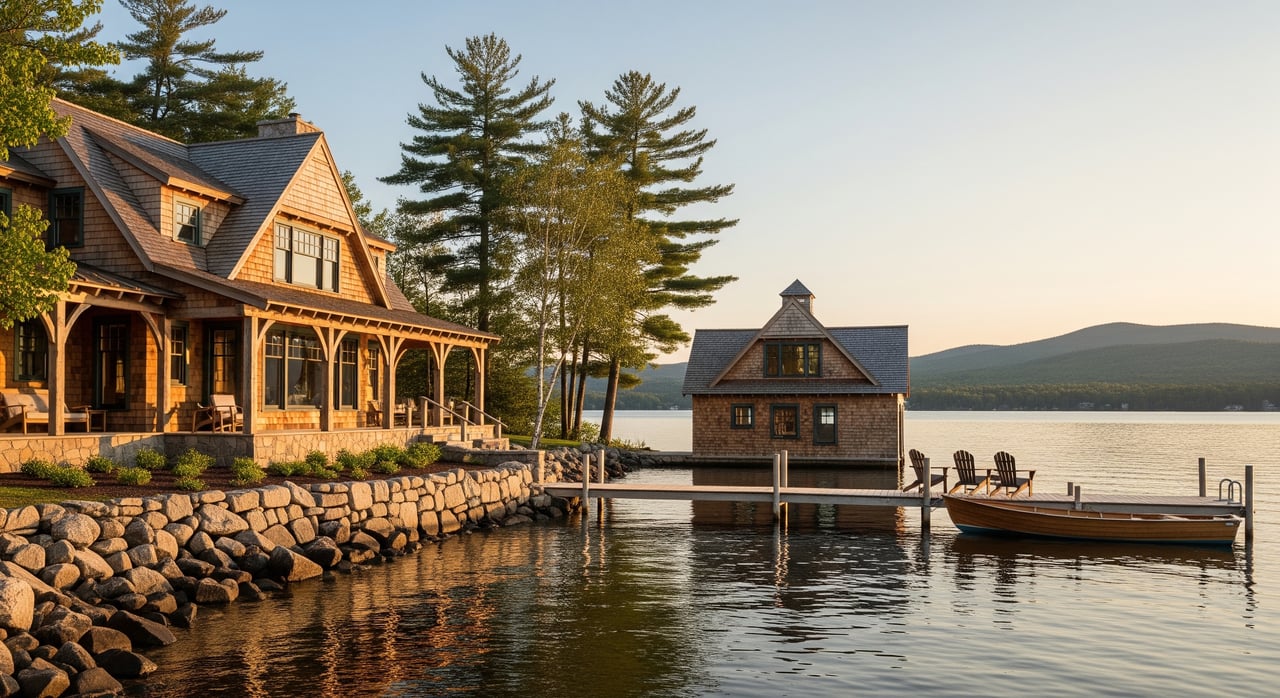
Wondering which Tuftonboro waterfront setting actually fits the way you want to live at the lake? With options ranging from classic camps to island hideaways and luxury estates, it can be hard to know where to start. You want the right blend of privacy, boat access, maintenance level, and year-round comfort. This guide breaks down the styles and settings you will find around Lake Winnipesaukee and Mirror Lake near Center Tuftonboro, plus the key rules and costs to plan for. Let’s dive in.
Tuftonboro lake settings
Tuftonboro sits on the western shore of Lake Winnipesaukee, New Hampshire’s largest lake. You will find lively boating, deeper water in channels, marinas, and a wide mix of properties from cozy cottages to custom estates. If you want big-water cruising, island exploration, and a social summer scene, Winnipesaukee delivers.
Just west of town, Mirror Lake offers a calmer, smaller-water experience. It typically has less boat traffic, shallower depths in places, and a quieter pace that suits kayaking and relaxed fishing. You will not see as many islands here, but you gain a more sheltered setting.
Center Tuftonboro is the village hub, while waterfront homes are spread along shorelines and nearby roads. Your lifestyle fit often starts with deciding between Winnipesaukee’s energy and Mirror Lake’s tranquility.
Waterfront home styles at a glance
Camps and cottages
Older seasonal camps and classic cottages give you that simple, nostalgic lake vibe. These smaller homes were often built for summer use.
- Lifestyle: Casual, laid-back summers with swimming, paddling, and evening fires.
- Privacy: Lots tend to be smaller and closer to neighbors, often with tree cover.
- Boat access: Modest docks or shared access are common; distance to open water varies by location.
- Maintenance: Expect older systems and possible upgrades for year-round use. You may see needs like insulation, heating, electrical updates, and septic work.
- Utilities: Some are seasonally serviced. Confirm road plowing, well and septic details, and any seasonal shutoffs.
- Best fit: You want affordability, rustic charm, and seasonal enjoyment over full-time convenience.
Year-round cottages and homes
These are upgraded cottages or newer small-to-midsize homes designed for four-season living.
- Lifestyle: Comfortable daily living paired with the lake right outside your door.
- Privacy: Moderate lot sizes with some buffer and established trees.
- Boat access: Often a private dock, lift, or mooring. Water depth depends on the specific shoreline.
- Maintenance: Generally lower than older camps if systems are updated. Plan for standard dock care, septic servicing, and winterizing as needed.
- Utilities: Year-round well and septic are common. Confirm system age and capacity.
- Best fit: You want a primary or semi-primary home that balances livability and lake access.
Island properties
On Lake Winnipesaukee, island homes offer a uniquely private experience. Access is by boat, and winter logistics vary with conditions.
- Lifestyle: High privacy, quiet nights, and a strong sense of adventure.
- Privacy: Few close neighbors and natural buffers. Some islands have associations and shared rules.
- Boat access: Private docks, association docks, or local launches are typical. Winter access can include snowmobile or ice routes when conditions allow.
- Maintenance: Logistics are more complex. Materials, fuel, and service calls require planning. Emergency response and insurance can differ from mainland properties.
- Utilities: Power may come from underwater electric, generators, or solar. Septic and water supply require careful design.
- Best fit: You value seclusion and do not mind planning for boat-based access and services.
Luxury lakefront homes
High-end new construction and custom estates bring resort-level comfort to the shoreline.
- Lifestyle: Large living areas, guest suites, multi-season porches, and room for multiple boats.
- Privacy: Larger lots with landscaping, shoreline stabilization, and prime view corridors.
- Boat access: Deep-water docks, lifts, and moorings are common. Some sites include engineered shoreline features subject to permitting.
- Maintenance: Newer systems meet modern codes, though shoreline and dock maintenance remain ongoing costs.
- Utilities and permits: Full modern utilities, plus more complex permitting for larger septic, docks, or boathouses.
- Best fit: You want turnkey luxury, year-round use, and professional maintenance support.
Acreage and secluded parcels
Large tracts with waterfront frontage offer space, privacy, and long-term potential.
- Lifestyle: Room to spread out with trails, secondary structures, and outdoor pursuits.
- Privacy: Substantial buffers from neighbors and the feel of your own retreat.
- Boat access: Depends on frontage, slope, and site work. Docks or moorings may need permits and engineering.
- Maintenance: Expect higher costs for roads, grounds, and land management.
- Best fit: You want a legacy property with space to grow and a quieter lakeside setting.
Shoreline features that shape use
Every shoreline is different, and that difference affects daily life on the water.
- Shoreline character: Sandy entries and sand or gravel bottoms are easier for swimming. Rocky ledge offers drama and views but can limit swim entry. Wetlands and marsh areas support wildlife and may limit dock placement. Stabilized shorelines with riprap or seawalls require permits and care.
- Dock types: Seasonal floating docks, permanent fixed docks, lifts, or boathouses each carry different costs, permitting requirements, and maintenance steps.
- Water depth and navigation: Proximity to deeper channels makes boating easier and can support larger boats. Shallow areas may require longer dock runs or smaller craft.
Permits and stewardship you should plan for
Waterfront ownership involves extra rules designed to protect water quality and shorelines. Planning ahead keeps projects on track.
- Shoreland and wetlands: Many shoreline projects, including docks, retaining walls, grading, and boathouses, require review and permits through state programs. The town may have local overlays or additional review.
- Septic systems: The state oversees design and permits. Older or undersized systems are common, especially at camps. Expansion to year-round living or larger homes can trigger upgrades.
- Wells and water supply: Private wells are typical. Test water quality and capacity, especially near shorelines or shallow geology.
- Flood zones and insurance: Some parcels sit in FEMA flood zones or areas with wave exposure on Winnipesaukee. This affects building standards and insurance options. Island properties often carry different insurance considerations.
- Aquatic invasive species: Local groups monitor and educate on prevention. Ask about recent findings and boat-cleaning protocols.
- Docks, moorings, and navigation: Placement and setbacks are regulated. Islands may have community docks or specific rules.
- Land use and easements: Confirm deeded shoreline rights, shared drives, prescriptive access, association covenants, and private road maintenance agreements.
- Local taxes and permitting: Waterfront assessments are often higher. Major improvements can trigger reassessment. Town permits apply to rebuilds, expansions, and site work.
Ownership costs and logistics
Waterfront homes share a set of recurring costs. Budgeting for them upfront helps you avoid surprises.
- Common to all: Septic pumping and service, dock and lift maintenance, winterization, shoreline stabilization and erosion control, insurance, property taxes, and any association dues.
- Type-specific: Island homes carry transport logistics and higher contractor costs. Luxury estates have larger landscaping, driveway, generator, and HVAC obligations. Older camps may need near-term capital projects like electrical upgrades, insulation, or septic replacement.
- Seasonal contractor demand: Marine and shoreline contractors book up quickly. Plan major projects months in advance.
Choose your fit: key trade-offs
Picking the right property is about balancing what you want most with what it takes to maintain it.
- Privacy vs convenience: Islands and large acreage deliver seclusion but require more planning. Smaller cottages often sit closer to neighbors yet keep costs more manageable.
- Recreation vs tranquility: Winnipesaukee brings action, wakes, and social energy. Mirror Lake and smaller waters offer quiet paddling and a slower pace.
- Seasonal vs year-round: Older camps can be converted for four-season living with upgrades. Newer builds are move-in ready for winter, usually at higher purchase prices.
- Amenities vs maintenance: Extensive docks and shoreline improvements add value and ease of use, and they also add permitting steps and upkeep.
Buyer checklist: what to verify
Use this quick-reference list during due diligence.
- Water access and rights
- Is the dock deeded to the parcel, and is a slip or mooring included?
- Typical summer water depth at the dock, and any navigation hazards.
- Septic and water
- Age, type, and last service date of the septic system, plus an as-built plan.
- Drinking water source and recent water-quality test results.
- Permits and shoreline history
- Records of shoreline permits, recent work, or violations. Ask about future local plans.
- Utilities and access
- Year-round road maintenance and plowing. For islands, how power is supplied.
- Electric service type and any outage history that affects remote living.
- Flood and environmental
- FEMA flood zone status, past flood history, and wave exposure along open water.
- Known aquatic invasive species nearby and any boat-wash protocols.
- Ownership and encumbrances
- Easements, shared drives, mooring rules, deed restrictions, and association covenants.
- Structures and systems
- Roof, foundation, insulation, and heating age and condition. Screen for lead or asbestos in older structures.
- Neighborhood use
- Typical seasonal boat activity, proximity to marinas and public access points, and emergency services routes.
- Services and logistics
- Trusted local contractors for docks, shoreline work, septic, and surveying, plus realistic lead times.
Work with local experts
Choosing between Winnipesaukee and Mirror Lake, mainland and island, or cottage and estate is as much about lifestyle as it is about permits and systems. You deserve a clear plan and a team that treats your purchase like a long-term investment in both value and stewardship. If you are weighing settings around Center Tuftonboro, we can help you compare shorelines, vet septic and water details, and map out the permitting steps before you commit.
Ready to find your fit on the water or prep your property for market with strategic improvements? Connect with the team at Mulligan Property Group to schedule a private consultation.
FAQs
What is the main difference between Lake Winnipesaukee and Mirror Lake?
- Winnipesaukee offers big-water boating, deeper channels, and more activity, while Mirror Lake is smaller, calmer, and well suited to quieter paddling and casual fishing.
Are island homes on Lake Winnipesaukee practical year-round?
- They can be, but access depends on season and conditions, and you should plan for boat transport, variable winter access, careful utilities planning, and higher logistics costs.
What permits are needed for a new dock or shoreline work in Tuftonboro?
- Many docks, retaining walls, grading, and boathouses require state shoreland or wetlands permits, and the town can add local review, so start with permitting before design.
How do septic system requirements affect older lake cottages?
- Older or undersized systems are common and may need upgrades for expansion or year-round use, so obtain a septic inspection, as-built, and capacity review early in due diligence.
Do waterfront homes near Center Tuftonboro require flood insurance?
- Some parcels fall within FEMA flood zones or open-water wave exposure areas, which can affect building standards and insurance, so check maps and consult your insurer.
How far ahead should I book shoreline or dock work?
- Marine contractors in the Lakes Region often book months in advance, so plan projects early to align design, permits, and installation with the seasonal work window.