Trying to decide between a true lakefront home and a lake-access property in Center Harbor? You’re not alone. With shoreline on Lake Winnipesaukee and Squam Lake, plus walkable access to village docks and beaches, the choices here feel both exciting and complicated. In this guide, you’ll get a clear, local lens on lifestyle, dock and mooring options, permitting, maintenance, and budget so you can buy with confidence. Let’s dive in.
Center Harbor at a glance
Center Harbor is a compact Lakes Region town with shoreline on two very different lakes and a village waterfront that anchors daily life. The town maintains public docks and a resident beach right in the village, and there is a public launch in the area, which is useful when you host guests or store a boat offsite. You can review town permit forms and policies through the town’s documents portal, and local boat-launch guides help you map ramps and marina services around the lake network. Explore the town’s documents and applications via the official repository at the Town of Center Harbor website, then use this boat-launch guide to understand nearby ramps and docks: local boat-launch and docks summary.
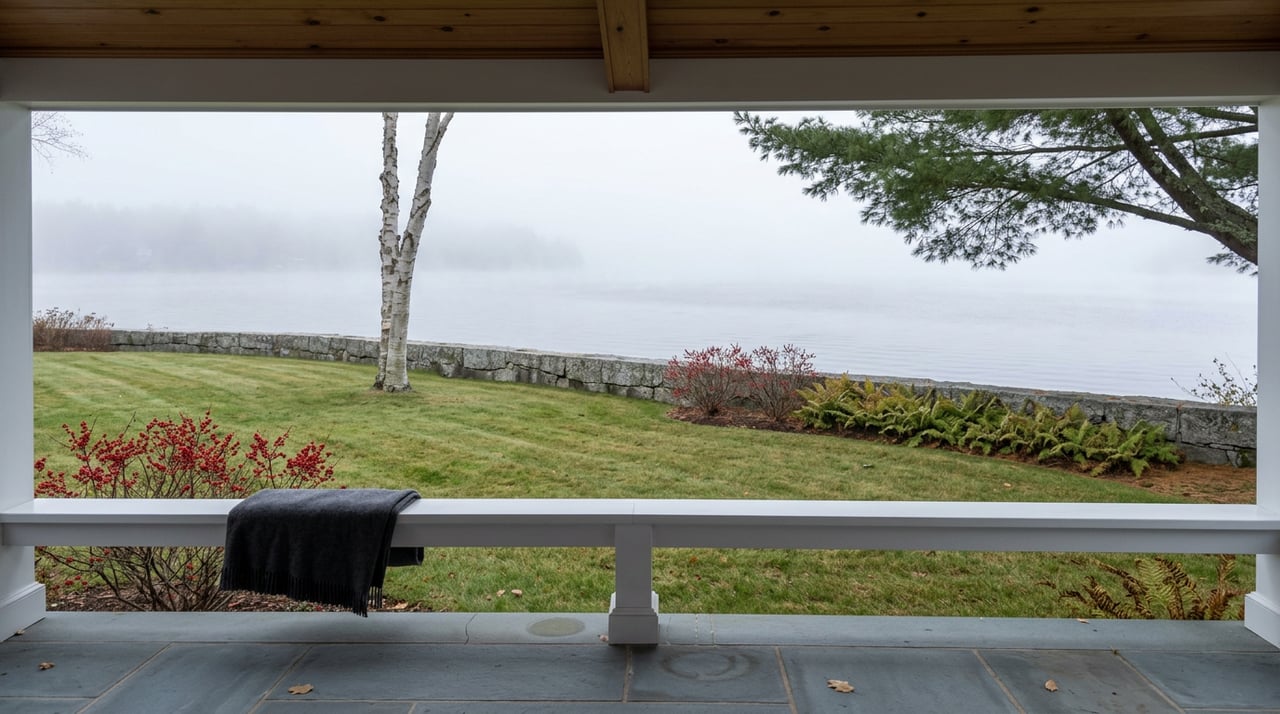
The lakes have distinct personalities that shape daily life on the water. Lake Winnipesaukee is large and supports a wide range of motorized boating and marina services. Squam Lake has a strong conservation culture and quieter feel. Lake Waukewan is smaller and more intimate. Those differences often matter as much as the property type you choose.
What each option means
True lakefront or shorefront
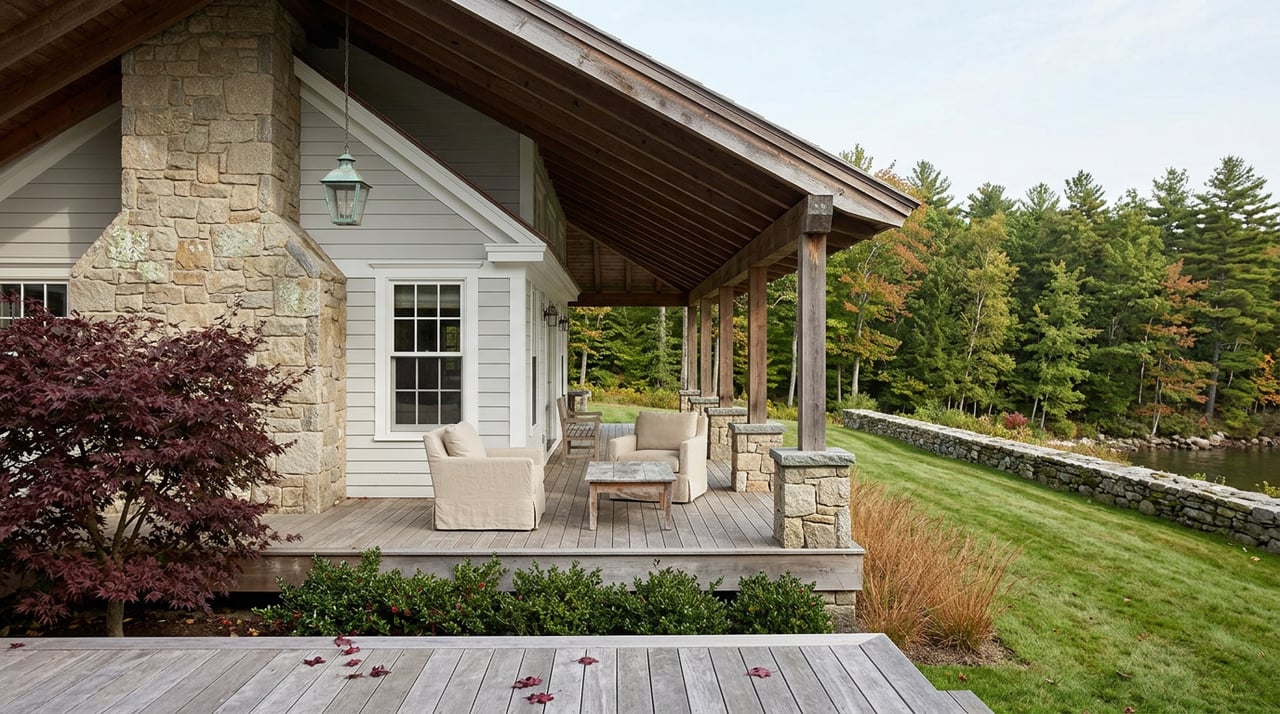
Your lot directly abuts the water and typically conveys littoral rights that are recorded in the deed. What you can build or place at the water’s edge depends on your frontage, the exact deeded rights, town zoning, and state shoreland and wetlands rules. Private docks, boathouses, and moorings are not automatic. They require review under state rules and sometimes local harbor authority policies.
Deeded lake-access
An upland home that comes with recorded rights to use a shared beach, path, or dock. The legal details live in the deed or a recorded easement. Read the instrument carefully for what is included, how many owners share it, and any fees or maintenance obligations. You can find application and permitting resources on the town’s documents page to help frame questions for the Town Office: Center Harbor documents and forms.
A typical clause might read like this: “Together with the right to use the association beach lot shown on Plan X for bathing and boating, subject to association rules.” The exact rights vary by property, so always verify with the recorded documents.
Walk-to-water
A home within an easy stroll of the shoreline, town docks, or a public launch with no deeded access. You get the lifestyle and convenience of proximity at a lower cost, but you should not expect exclusive docking or mooring rights. Rules at public facilities determine daily use and docking duration.
How you plan to use the water
Your boating and recreation habits are the best lens for this decision.
- If you want a private slip and dependable overnight docking for a powerboat, true shorefront that can accommodate a dock or mooring is usually the best fit. Feasibility depends on NHDES rules and the location’s harbor management, so confirm early. Review the state’s shoreland protection framework to understand typical triggers: NHDES Shoreland rules, Env-Wq 1400.
- If you picture paddling at sunrise, swimming with family, or social beach time a few days a week, deeded access or walk-to-water can deliver the lifestyle with less maintenance and at a lower price point. Just confirm whether any access includes dock or mooring rights, or if it is limited to foot access.
Docks, moorings and permits
Waterfront improvements in New Hampshire are regulated to protect water quality and habitat. Understanding the basics helps you avoid surprises.
Seasonal floating docks
For many shorefront owners, a seasonal dock is the simplest path. New Hampshire law allows certain temporary, removable docks to be installed via a streamlined process if they meet size and configuration limits. Start with the statute that authorizes seasonal docks and the related wetlands rules. See the seasonal dock language in RSA 482-A:3 and the wetlands rules overview: RSA 482-A:3 seasonal dock provisions and Env-Wt 300 rules overview. These docks are removed for winter and often avoid dredging or fill, which can lower the permitting burden.
Permanent structures and dredging
Fixed piers, extensive riprap, boathouses, lifts, and any dredging trigger higher scrutiny and standard permit pathways. Projects inside the protected shoreland typically require NHDES review under Env-Wq 1400 along with town approvals. Larger or more complex structures may be denied in sensitive areas, so do not assume you can deepen or widen an existing slip. A pre-application conversation with NHDES and the Town Office is wise.
Moorings
Moorings are treated as structures under state wetlands rules and are commonly administered locally by a harbormaster, harbor commission, or lake association. Availability, fees, inspection schedules, and waitlists vary by lake and by town. Start by reviewing the state’s mooring guidance, then call the relevant local authority to confirm availability for your location: NHDES mooring guidance, Env-Wt 600.
Privacy, lake character and convenience
Center Harbor gives you three distinct lake experiences in one town.
- Lake Winnipesaukee near the village offers a lively boating scene, service marinas, and public docks. Expect more boat traffic and wakes, balanced by easy access to shops and amenities. For stewardship and local best practices, review the Lake Winnipesaukee Alliance overview: About Lake Winnipesaukee Alliance.
- Squam Lake on the west side is known for conservation values and a quieter setting. If your priority is serenity, wildlife, and low boat density, Squam could be a better match. The Squam Lakes Association shares useful guidance on local stewardship and access: Squam Lakes Association.
- Lake Waukewan is smaller and intimate. If you value a calmer, close-to-town feel and more modest boating, this character may suit you.
Cost, maintenance and risk
Lake living is rewarding, but it adds upkeep and budget lines you should plan for.
- Docks and shore work. Seasonal docks require installation and removal. Shoreline stabilization, path maintenance, and vegetation buffers must follow best practices under shoreland rules. Expect periodic repairs and inspections.
- Septic and systems. Waterfront septic systems need regular care to protect the lake. Before you buy, confirm the system type, age, and service history with the town’s records and your inspector.
- Taxes and values. Municipal median values and effective tax rates set broad expectations, but shorefront typically sells at a premium to the town median. For context on Center Harbor’s trends, review this data snapshot: Center Harbor trends on Ownwell.
- Flood and insurance. Some shoreline parcels lie within FEMA flood zones. Premiums depend on elevation and mapping. Start with a flood map check and discuss coverage with your insurer. A statewide portal can help you find assessor and mapping resources: NH property records and tax portals.
Which choice fits your goals
Use this quick filter to align lifestyle and budget.
Choose true lakefront if you:
- Want private docking or a mooring near your home.
- Plan to boat frequently or dock overnight and need reliable access.
- Are comfortable managing shoreline upkeep, permit steps, and seasonal dock services.
Choose deeded lake-access if you:
- Plan to swim, paddle, and gather at a beach with occasional motorboating.
- Want lower purchase cost and shared maintenance.
- Can live with rules for shared docks, limited mooring rights, or foot access only.
Choose walk-to-water if you:
- Prefer a village lifestyle within an easy stroll of town docks or a launch.
- Do not require exclusive docking or a private beach.
- Want a simpler, often more affordable path to the lake lifestyle.
Due diligence checklist for Center Harbor buyers
Follow this sequence to protect your time and budget.
- Confirm your legal rights. Read the deed and any easements to verify whether the lot is shorefront or has deeded access, and what those rights include. Start with the town’s documents hub to prepare your questions for the Town Office: Center Harbor documents and forms.
- Ask the Town Office about permit history. Look for prior dock permits, dredge or seawall work, and any enforcement items that could limit future plans.
- Validate dock feasibility. If you want a dock, review state dock rules and seasonal dock allowances. Begin with the wetlands overview: Env-Wt 300 rules and the enabling statute for seasonal docks: RSA 482-A:3.
- Check mooring availability early. Moorings are location-specific and often waitlisted. See state guidance, then contact the local harbor authority: Env-Wt 600 mooring guidance.
- Know shoreland triggers. If you plan any shore work, review the shoreland protection rules for permit thresholds and exemptions: Env-Wq 1400 Shoreland rules.
- Map your boating routine. Use a lake-launch and marina summary to plan how you will launch, refuel, and service your boat: Boat launches and docks guide.
- Budget for taxes and insurance. Scan market and tax context for Center Harbor and run a flood map check before binding coverage: Center Harbor trends and NH property records and flood map portals.
- Talk with lake associations. For lifestyle and stewardship insights, contact the groups active on each lake: Lake Winnipesaukee Alliance and Squam Lakes Association.
Local contacts and resources
- Town of Center Harbor — building, zoning, septic and forms: Center Harbor documents and forms
- NHDES Shoreland rules — permit triggers and process: Env-Wq 1400
- NHDES Wetlands rules — docks and dredge-fill: Env-Wt 300
- Mooring guidance — contact local harbormaster first: Env-Wt 600
- Boat launches and marinas — planning tool: Winnipesaukee-area boat-launch guide
- Lake stewardship and lifestyle info: Lake Winnipesaukee Alliance and Squam Lakes Association
Ready to weigh lakefront versus lake-access with a clear plan? Our team helps you interpret deeds, confirm dock or mooring feasibility with the right officials, and align lake character with your lifestyle and budget. If you want a smooth, well-advised path to the right waterfront fit, schedule a private consultation with Mulligan Property Group.
FAQs
What is the difference between deeded lake access and an association beach in Center Harbor?
- Deeded access is a recorded legal right tied to a specific parcel that may include a path, beach, or shared dock, while an association beach is typically managed by a group with its own rules; always read the recorded instrument and association documents to confirm rights and obligations.
Can I add a dock to a Center Harbor lakefront property?
- Maybe, depending on frontage, lake conditions, and rules; seasonal docks that meet state criteria can follow a streamlined path under RSA 482-A:3 and the wetlands rules, while fixed piers or dredging usually require full permits under Env-Wt 300 and shoreland review under Env-Wq 1400.
How are moorings handled on Winnipesaukee and Squam in Center Harbor?
- Moorings are typically administered locally by a harbormaster or lake association, with availability, fees, and inspections varying by location; start with state guidance under Env-Wt 600 and contact the appropriate local authority about waitlists and placement.
Do lake-access homes ever include dock or mooring rights?
- Sometimes; it depends entirely on the recorded deed or easement and the local harbor authority’s rules; verify the instrument at the Registry and ask the Town Office and harbormaster about current policies.
Do Center Harbor waterfront homes require flood insurance?
- It depends on the parcel’s FEMA flood zone and your lender’s requirements; check mapping through local or state portals and get quotes from your insurer before purchase using resources like the NH property records and tax portals.