Timing your lakefront sale can make a measurable difference in attention, offers, and your final terms. If you own on Lake Winnipesaukee or Mirror Lake in Center Tuftonboro, you already know the market follows the lake. Buyers want to see docks in, water clarity, and views in full swing. In this guide, you’ll learn the strongest listing windows, how to tailor your marketing by season, and what to prepare well in advance so you can sell with confidence. Let’s dive in.
How seasonality drives demand
Waterfront demand is highly seasonal because buyers want to evaluate water access and lifestyle in person. Peak interest tracks the lake season from late spring through summer, while serious buyers also shop in fall and winter. Ice-out varies each year, so the first truly active showings begin once docks return and shorelines are ready.
For Tuftonboro lakefront homes, the most effective listing windows are late May through July and early September through October. Each period has pros and cons for visibility, buyer urgency, and inventory. Your best timing depends on your goals, your property’s strengths, and how prepared you are to showcase summer use.
Best listing windows in Tuftonboro
Late May to July
- Pros: Docks are typically in, water clarity is strong, and buyers are actively searching. You can capture both spring market momentum and full early-summer lifestyle.
- Cons: You will compete with other new listings, so pricing, presentation, and media need to stand out. If you list before docks are installed, the property can feel incomplete.
- Use this window if: You want to maximize lifestyle showings and attract a broad buyer pool.
Early September to October
- Pros: Fall foliage photography is compelling, buyers who missed summer refocus, and inventory often tightens. Many fall buyers are serious and planning for next season.
- Cons: Dock removal may begin and lake activity slows. Out-of-state weekend traffic can dip after Labor Day.
- Use this window if: You value motivated buyers, dramatic visuals, and a bit less competition.
Winter and off-season
- Pros: Lower inventory puts more attention on your home, and active winter buyers are often highly motivated. Structural and mechanical systems show well.
- Cons: You cannot demonstrate the full summer lifestyle in person. Access and curb appeal take extra work.
- Use this window if: You want strong buyer focus with fewer competing listings, and you can provide a robust summer media package and inspection reports.
What to highlight by season
Spring listing tactics
- Schedule professional photos right after docks return and the shoreline is cleaned.
- Lead with “lake readiness”: dock or mooring details, recent septic and well checks, and shoreline condition.
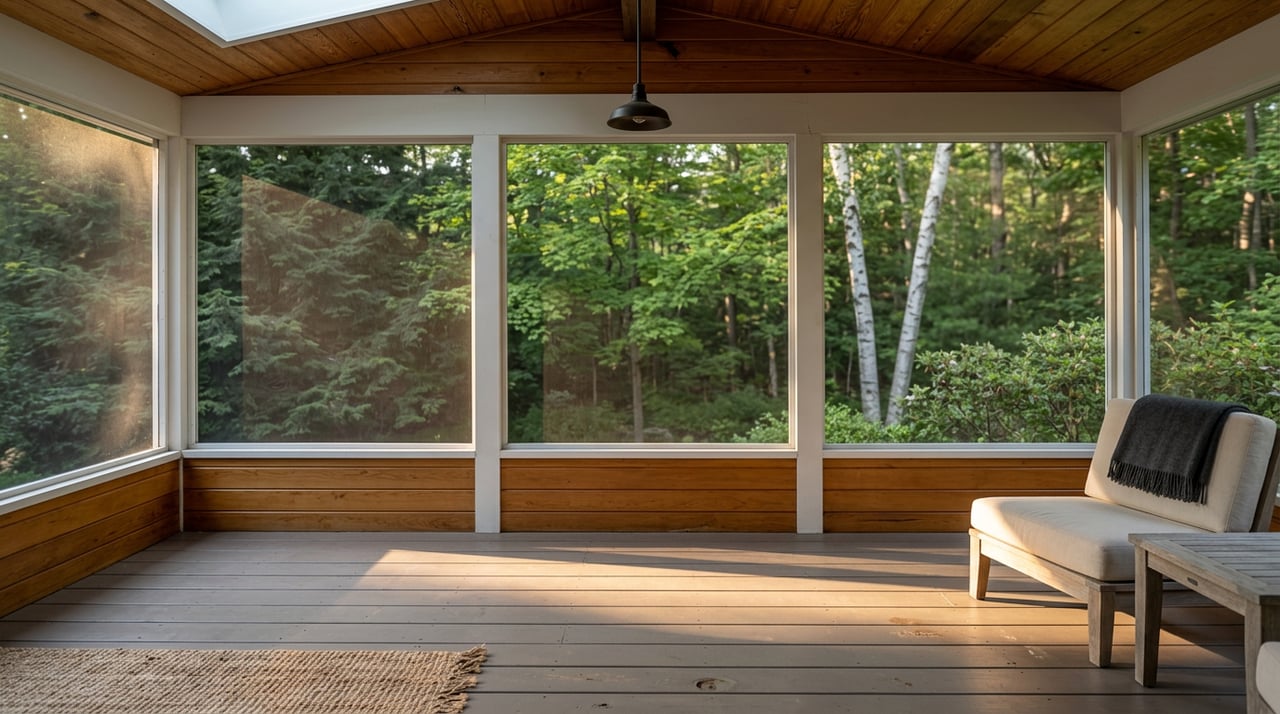
- Add interior shots that show spring comfort, like screen porches and great rooms on cool evenings.
Summer listing tactics
- Invest in drone and lifestyle video to show boating, swimming spots, and proximity to marinas or town access.
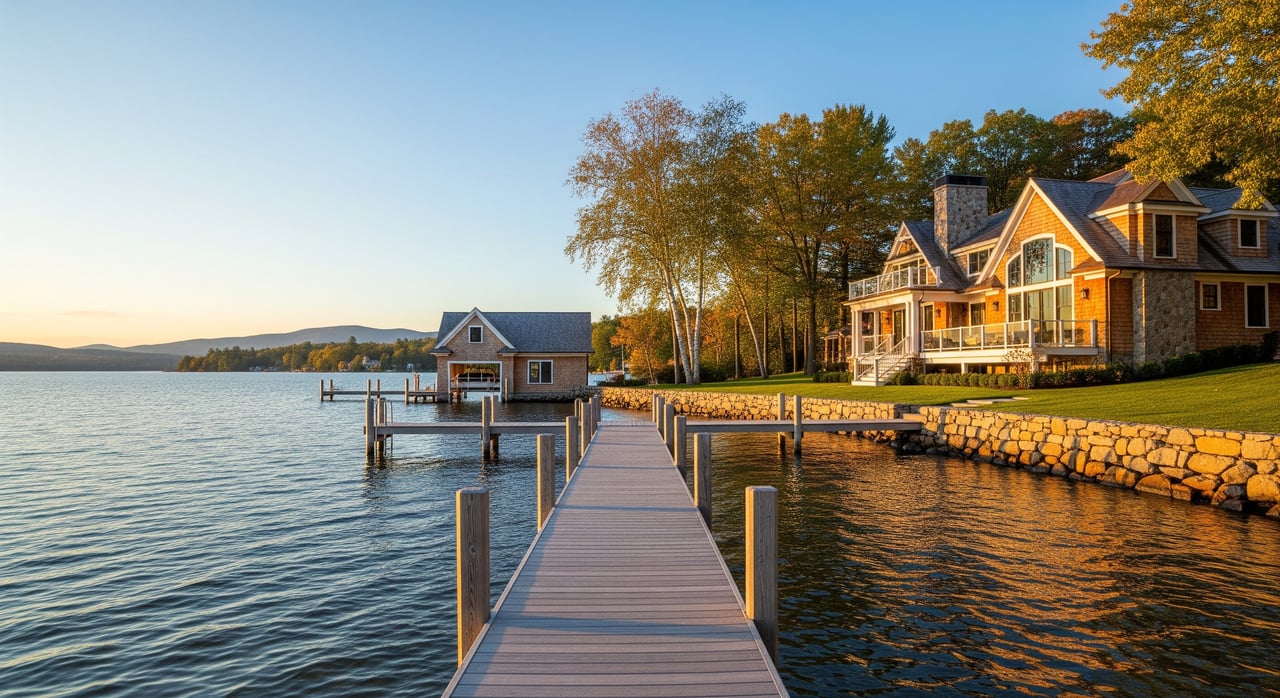
- Highlight summer-specific assets: deep-water dock, mooring, sandy entry, boathouse, and sunset views.
- Offer flexible showings, especially early mornings and late afternoons, to fit buyers’ summer schedules.
Fall listing tactics
- Time photography for peak foliage and pair it with summer media that shows dock use.
- Emphasize year-round systems such as insulation, heating, and winterization features.
- Clearly state dock removal timing and any association rules around seasonal use.
Winter listing tactics
- Focus on interior lifestyle: big-view windows, fireplaces, mudrooms, and heated garages.
- Provide a summer media package that includes drone footage, shoreline photos, and boating access notes.
- Offer pre-list inspections so buyers can make confident decisions without summer demonstrations.
Regulatory and logistics to handle early
Waterfront transactions come with extra moving parts. Addressing them early builds buyer confidence and shortens negotiations.
- Shoreline rules: New Hampshire’s Shoreland Water Quality Protection Act can affect setbacks and shoreline alterations. Disclose any shoreline work and related permits. If buyers plan changes, have relevant documents ready.
- Aquatic invasive species: Many Lakes Region buyers ask about milfoil and prevention programs. If you have AIS inspection or boat-wash records, include them in your package.
- Docks, moorings, and rights: Confirm permits and any association rules for docks or moorings. Clarify whether you have private shoreline, shared access, or deeded rights, and document water depth and bottom type near the dock or mooring.
- Wells and septic: Pre-list tests are common for waterfront. Provide recent well water results and septic inspection or pumping records to reduce contingencies.
- Insurance and financing: Lenders and insurers may require extra detail for shoreline properties. Encourage buyers to obtain quotes early, and be ready with system reports and shoreline condition information.
- Local contacts: Tuftonboro’s planning and code offices can confirm permit history and requirements for shoreline work. Engage them early if you are considering improvements.
A 6–18 month seller timeline
6–18 months out
- Gather your deed, survey, dock and mooring documents, recorded easements, and any association rules.
- Contact Tuftonboro planning or code enforcement to confirm permit history and whether planned shoreline work needs approvals.
- Arrange pre-list inspections: septic evaluation and pump, well water test, heating system check, and a roof or structural review.
- Plan and complete priority maintenance, such as dock repairs, shore stair safety, exterior paint, and roof work.
- If you are targeting a summer listing, schedule major projects in the shoulder seasons so you are market-ready.
3–6 months out
- Choose your ideal listing window based on your goals and the tradeoffs above. For many Tuftonboro lakefronts, late May to July or early September to October is most effective.
- Hire a local lakefront specialist with Winnipesaukee and Mirror Lake experience.
- Book professional photography and drone video. If you may list in fall or winter, capture summer media now.
- Review comparable sales and current inventory to align pricing and strategy.
4–8 weeks out
- Complete staging and touch-ups. Deep clean interior spaces and declutter docks, boathouses, and shoreline paths.
- Build a listing packet with inspection reports, water test results, utility history, permit records, and mooring or dock documentation.
- If allowed by MLS rules, consider tasteful pre-market exposure to reach out-of-state buyers planning summer visits.
Week of listing and showings
- Go live with full photo and video assets ready on day one.
- Align open houses with seasonal appeal. In summer, consider evening events that catch sunset views. In winter, choose bright daytime windows and feature interior comfort.
- Prepare for seasonal negotiation dynamics. Summer buyers often focus on access and features, while winter buyers may ask for credits to offset reduced in-person summer demonstration.
Pricing, inventory, and buyer pools
Tuftonboro draws a mix of second-home buyers from southern New England markets, local and regional full-time residents, and occasional investors where allowed by local rules. Their schedules and motivations vary by season. Out-of-state buyers often plan weekend trips and start online, so strong media and flexible showing windows matter.
Inventory can be tight during high summer because some owners prefer not to show. That can boost attention on well-prepared listings. In spring, you may see more competition, which puts a premium on standout media, accurate pricing, and quick readiness for high-quality showings. In fall and winter, you can earn more focused attention with less competition if your documentation and summer visuals are ready.
How to choose your best moment
There is no single answer for every property. Start with your goals. If you want to showcase boating and swimming in person, late May through July is powerful. If you value serious, planning-oriented buyers and dramatic visuals, early September through October is a strong alternative. If you want attention with less competition, winter can work if you lead with inspections and a robust summer media package.
Whichever window you choose, preparation wins. A documented shoreline history, clean inspections, and compelling visuals help you command attention in any season.
Partner with a local lakefront specialist
Selling on Lake Winnipesaukee or Mirror Lake is part real estate, part stewardship. You deserve a team that understands shoreline rules, moorings, and seasonal marketing, and that can present your home with premium photography, video, and broad distribution. For tailored guidance and a plan that fits your timeline, connect with Mulligan Property Group. Schedule a private consultation.
FAQs
What is the single best month to list a Tuftonboro lakefront home?
- There is no one-size-fits-all answer, though late May through July is ideal for in-person lake lifestyle and early September through October is strong for foliage and serious buyers.
Will listing in winter hurt my sale price on Lake Winnipesaukee or Mirror Lake?
- Not necessarily, because lower inventory can boost visibility, but you should provide strong summer photos or video and upfront inspections to balance reduced in-person lake use.
Should I wait until my dock is installed before going live?
- Yes if possible, because buyers evaluate water access heavily, and if timing prevents it, include recent summer media and a clear dock installation timeline in your listing.
What pre-list inspections do lakefront buyers expect in Tuftonboro?
- At a minimum, provide a septic inspection and pumping records, a well water test for bacteria and nitrate, a heating system check, and recent roof or structural evaluations.
What shoreline permits and rules should I disclose as a seller?
- Disclose known shoreline permits, any past shoreline work, easements or shared access, dock or mooring assignments, and any aquatic invasive species or water-quality information you hold.
How does ice-out timing affect when I should list?
- Since ice-out varies year to year, plan your go-to-market date around when docks can be installed and shoreline areas are safe and presentable so buyers can see true water access.