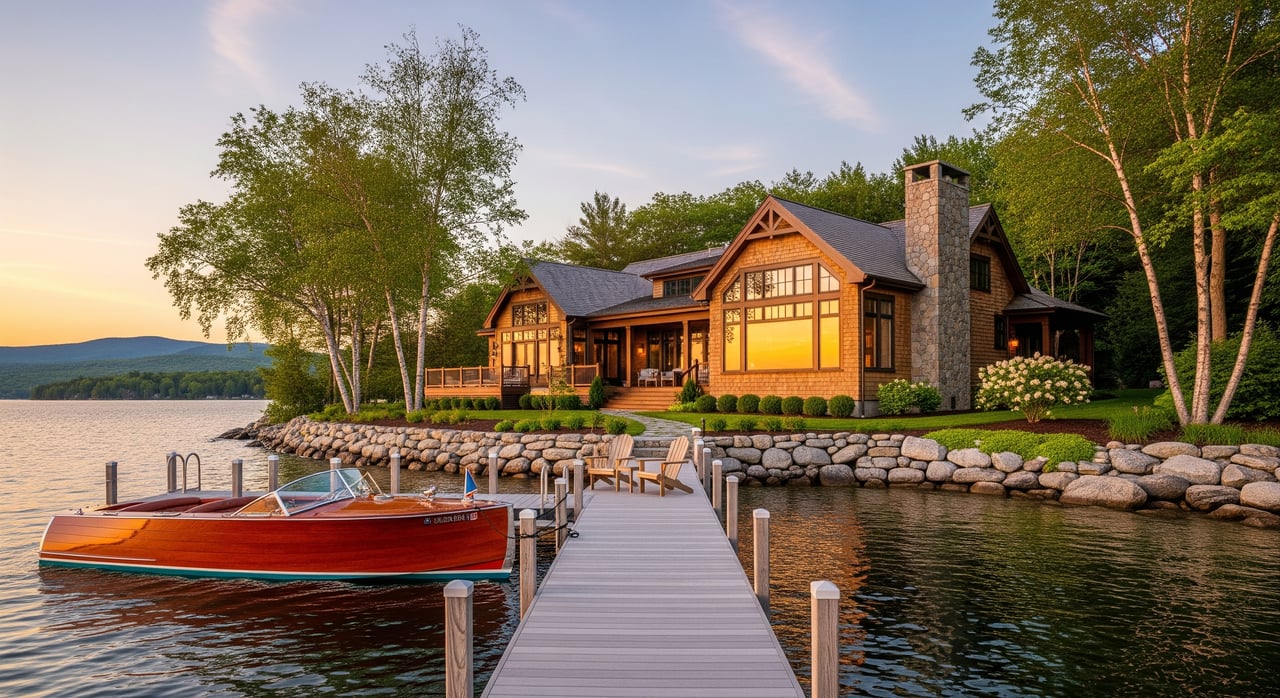
Thinking about selling your Tuftonboro lakefront home but not quite ready for the MLS? You are wise to plan ahead. Waterfront parcels come with extra layers of permits, shoreline rules, septic and well questions, and documentation that buyers will want to see early. With the right pre-MLS strategy, you can protect value, reduce surprises, and launch to market with momentum. Let’s dive in.
Why a pre-MLS plan matters in Tuftonboro
Lakefront buyers are detail oriented. They ask about docks and permits, riparian rights, flood zones, septic capacity, and year-round access. If you wait to gather answers until after you list, you risk delays, renegotiations, or a damaged first impression.
A focused pre-MLS plan helps you do three things. First, verify rights and permits so you can present a clean, accurate story. Second, address condition issues that could derail a deal. Third, time and tailor your launch to highlight the season and lifestyle that best sell your shoreline.
Confirm rights, permits, and restrictions
Start with town and county records
Begin at the Tuftonboro Town Offices. Confirm the history of building permits and approvals for additions, accessory structures, decks, boathouses, and any work near the shore. Check with Planning and Zoning for setbacks, lot coverage, non-conforming structures, or site plan needs. The Conservation Commission can advise on shoreland and wetland buffers, conservation easements, and best practices.
At the Carroll County Registry of Deeds, pull your deed and any prior deeds to confirm chain of title, easements, restrictions, and liens or encumbrances that could affect a sale.
Check state and regional programs
Contact the New Hampshire Department of Environmental Services about shoreland and wetland rules, dock or bulkhead permits, and septic system records. Review FEMA flood maps to see if your property sits in a mapped floodplain. NH Fish and Game and local lake associations can help with lake use rules and invasive species programs, which many buyers ask about.
Title and access red flags
Waterfront parcels can include shared or exclusive shoreline ownership and rights of way to the shore. Review riparian rights, shared beach agreements, and any deeded boat slips or common dock arrangements. Identify any covenants that limit docking, rentals, or future changes along the shoreline. If you have a dock, retaining wall, or shoreline stabilization, confirm if permits exist and whether any enforcement actions were noted.
Tackle inspections and shoreline readiness
Pre-listing home and shoreline inspections
Order a general pre-listing home inspection to check structure, roofing, foundation, and moisture. Lakefront homes can show water infiltration, rot, or freeze-thaw movement. A pre-inspection allows you to correct safety items and price confidently. Also, evaluate the shoreline-to-foundation interface for erosion, undermining, or failed riprap.
Septic and well: test and document
Buyers will ask about the septic age, capacity, and location. If you are unsure of town or state expectations at sale, confirm with Tuftonboro and consider a septic inspection along with pump-out records. For private wells, test for total coliform, E. coli, nitrates, and any local contaminants. Provide recent lab results so buyers can rely on objective data rather than assumptions.
Manage erosion, dock safety, and invasive species
Address obvious shoreline erosion and document any engineered stabilization or permits used. Inspect the dock and mooring equipment for safety and maintenance needs. Keep records of dock permits and any harbor or lake association agreements. If you know of invasive species issues on the lake, be ready to note any compliance steps or containment measures that apply to your frontage.
Flood and insurance prep
Clarify whether your parcel is in a mapped flood zone and whether you have an elevation certificate. Many buyers will ask about historical flooding or ice damage. Document what you know about the property’s history so you can disclose with confidence.
Know your value drivers on the lake
Frontage, water quality, and access
In Tuftonboro and the Lakes Region, key value inputs include shoreline frontage and the usability of that frontage. A gradual slope and sandy or pebble beach will read differently to buyers than ledge or wetlands. Water quality and lake reputation also matter, as do dock or mooring access and any permitted slip.
Year-round systems and winter access
Year-round use is a major decision point. Buyers look for insulation, heating, and practical winter access with snow clearing. Seasonal cottages can still command strong interest, but year-round systems often expand the buyer pool and price potential.
Buildings, auxiliary structures, and privacy
The condition and age of the main home, plus any guest cottages, influence value. Premium updates, good maintenance, and thoughtful shoreline stewardship show well. Lot size, privacy, view corridors, and proximity to services like Route 109 and Route 28 round out the picture.
Rental policies and buyer expectations
If buyers plan to rent, they will want clarity on any rules that limit short-term rentals. Be ready with documents and a clear explanation of what your deed, town ordinances, or association bylaws allow.
Timing and marketing before the MLS
When to go live
Seasonality matters. Spring and summer photos showcase docks, beaches, and boating. Fall foliage adds powerful lifestyle appeal. If you list in winter, emphasize year-round access and systems, and balance seasonal images with current photography so buyers see the full story.
Off-market options
Some sellers prefer to test the market privately, protect privacy, or reach targeted buyer groups. Pocket or exclusive listings, private outreach to waterfront-focused brokers, and invite-only previews for qualified buyers are options. You should still prepare high-quality photography, drone footage where appropriate, floor plans, and a concise property dossier to support these efforts.
Risks and tradeoffs
Limited exposure can reduce buyer competition and price pressure. Some buyers and lenders may ask for more documentation up front. Regardless of listing status, you must disclose known material facts. Make sure any off-market approach aligns with MLS rules and state guidance.
Assemble your lakefront dossier
Before you list, pull together documents that answer buyer questions quickly:
- Deed and prior deeds showing chain of title.
- Survey or plot plan, or consider commissioning an update if boundaries or dock location are unclear.
- Building permits and certificates of occupancy for additions, decks, boathouses, docks, and shoreline work.
- Septic design, installation date, pump-out history, and inspection reports.
- Well records and recent water quality tests.
- Dock permits, mooring agreements, and any lake or harbor association agreements.
- Tax bills, assessed values, utility costs, and insurance claims history.
- Conservation easements, restrictive covenants, HOA bylaws if applicable.
- Previous inspections, appraisals, engineering reports, and invoices for major repairs.
- Rental history, occupancy records, and any registrations if the property has been rented.
- Photos documenting condition, recent improvements, and shoreline stabilization.
A practical pre-MLS timeline
- Contact Tuftonboro town offices to review known permits, septic and shoreland considerations, and disclosure expectations.
- Gather deeds, surveys, permits, tax bills, and easement documents from the Registry of Deeds and your records.
- Order a pre-listing inspection and targeted investigations, including septic, well testing, and shoreline or erosion review.
- Address safety, code, and structural issues. If unpermitted work exists, pursue retroactive permits where feasible or prepare thorough disclosures.
- Prepare marketing assets such as professional photos, video or drone, floor plans, and a property fact sheet.
- Set pricing with a waterfront specialist using current lakefront comparables and account for seasonality and unique features.
- Finalize disclosures and assemble a buyer information packet to accelerate due diligence once you launch.
How Mulligan Property Group helps
Selling lakefront in Tuftonboro is not just a transaction. It is stewardship of shoreline, permits, and local expectations. You deserve a team that understands both the regulatory path and the luxury buyer mindset.
Mulligan Property Group offers boutique, concierge-level representation focused on New Hampshire’s Lakes Region. With decades of local experience and civic leadership, the team brings practical know-how with town processes, shoreland and dock permitting, and conservation questions. Their high-production marketing, including premium photography, video, and Global Luxury distribution, elevates your listing to reach serious in-state and out-of-market buyers. For sellers who prefer discretion, they can coordinate off-market outreach to qualified waterfront buyers and trusted brokers while you finalize permits, improvements, or timing.
If you want to protect value, minimize friction, and launch with confidence, start your plan now. Schedule a private consultation with Mulligan Property Group to discuss a tailored pre-MLS roadmap for your Tuftonboro lakefront property.
FAQs
What should Tuftonboro lakefront sellers verify before listing?
- Confirm local permits, shoreline rules, and any easements or restrictions. Verify dock approvals, septic records, and deed details at the Registry of Deeds.
How do I handle dock permits and moorings before the MLS?
- Gather documentation for any dock, bulkhead, or mooring. Confirm approvals and be ready to show buyers permit records and any association agreements.
Do I need a septic inspection to sell in Tuftonboro?
- Requirements can vary. Check with the town, and consider a septic inspection and pump-out records so buyers have current information.
What water tests should I provide for a private well?
- Recent lab results for total coliform, E. coli, nitrates, and locally relevant contaminants give buyers clear, objective data.
How should I time a lakefront listing in the Lakes Region?
- Spring and summer highlight boating and docks, while fall showcases foliage. Winter launches work well for year-round properties with balanced seasonal imagery.
What are the risks of selling off-market in Tuftonboro?
- Private sales can limit exposure and reduce competition. Ensure compliance with MLS rules and disclose all material facts even if you do not list publicly.
What drives value most for Tuftonboro waterfront?
- Usable frontage and shoreline type, water access and permits, year-round systems, property condition, privacy, and proximity to services along Route 109 and Route 28.