Dreaming of a Gilford waterfront home on Lake Winnipesaukee and wondering how to finance it? You are not alone. Many lakefront purchases in Gilford require jumbo mortgages, which follow different rules than standard loans and can affect your budget, timeline, and negotiation strategy. In this guide, you will learn how jumbo loans work, what lenders look for on waterfront properties, and the smart steps to take before you write an offer. Let’s dive in.
Jumbo loans at a glance
What is a jumbo loan
A jumbo loan is any mortgage amount that exceeds the conforming loan limit set by the Federal Housing Finance Agency. Because these larger loans are not purchased by Fannie Mae or Freddie Mac, lenders apply different underwriting standards. Conforming limits can change each year, so you should confirm the current limit when you start your search.
How jumbo loans differ
Jumbo lenders usually expect stronger credit, lower debt-to-income ratios, and more documentation. You will often see larger down payment requirements and lower maximum loan-to-value ratios. Rates can be higher than conforming loans, though the gap varies with lender policies, your profile, and market conditions. Since jumbo loans are often kept on a lender’s balance sheet, terms can vary more than with standard products.
Who typically qualifies
Successful jumbo borrowers show excellent credit, stable and verifiable income, and meaningful reserves. Lenders often prefer credit scores in the higher ranges and may ask for several months of mortgage payments in liquid reserves. If you are asset-rich or self-employed, some portfolio or asset-based programs may use bank statements or asset depletion to help you qualify.
Why Gilford waterfront often needs jumbo
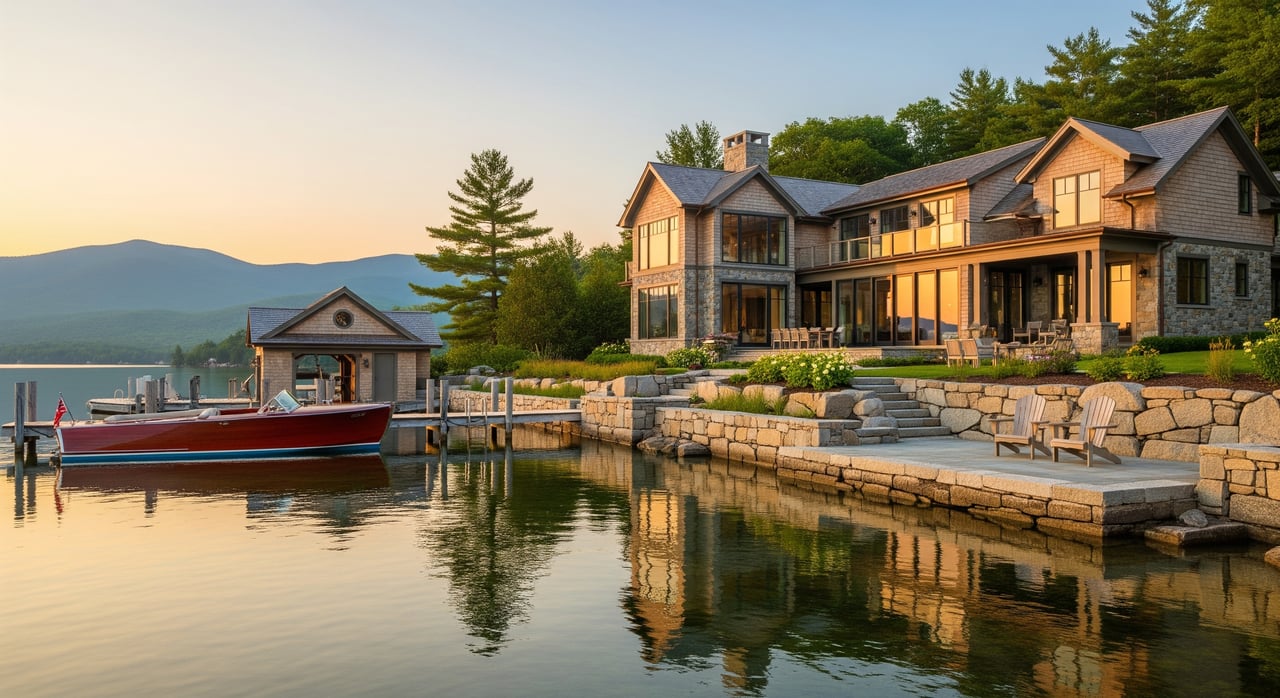
Gilford includes premium shoreline and lake-view properties on Lake Winnipesaukee. Waterfront homes command a premium for frontage, dockage, views, privacy, and unique site features. These prices frequently exceed conforming loan limits, so jumbo financing is common for buyers in this segment.
Waterfront values can vary widely, even within Gilford. Frontage feet, water depth, boathouses, and the age and condition of the home all influence price. Because these homes are unique and supply is limited, you should rely on local expertise and recent lake-specific comps rather than regional averages. Seasonality also matters. Underwriting for a primary residence can differ from a second home or an investment property, so plan your financing strategy around how you intend to use the home.
Waterfront underwriting essentials
Appraisals and valuation on the lake
Finding perfect comps for waterfront homes can be hard. Not every property has the same frontage, dock rights, or shore improvements. Appraisers may need to make larger adjustments or use broader market context. You will benefit from a lender-approved appraiser with Lake Winnipesaukee experience who understands how buyers value frontage, views, docks, and boathouses.
Flood zones and insurance
If a home sits in a FEMA Special Flood Hazard Area, federally regulated lenders will require flood insurance. Expect to provide elevation certificates or other flood documentation if needed. On high-value homes, premiums can be significant, so it is wise to get estimates early and include these costs in your budget.
Septic, well, and shoreland permits
Waterfront properties often rely on private septic and wells and are subject to shoreline regulation. Lenders and appraisers value clear records of septic inspections, well flow tests, and any shoreland or dock permits. Erosion control and riprap, seawalls, and boathouse documentation can affect insurability and valuation. Confirm that all improvements were properly permitted and recorded.
Access, utilities, and seasonal features
Long private driveways, unique foundations, or remote utilities can raise insurance and maintenance considerations. If you plan to finance the home as a primary residence, lenders may look closely at winterization, heating systems, and year-round habitability. Be ready to document utility types, access, and any seasonal limitations.
Loan options and occupancy
Portfolio and private programs
Many jumbo loans are offered by portfolio lenders, regional banks, and private lenders. These institutions may retain loans on their books and can be more flexible with unique properties, self-employment income, or asset-based underwriting. Bridge loans and private financing can help if you need short-term funding before permanent financing is in place.
Primary vs. second home vs. investment
Your intended use affects underwriting and pricing. Primary residences can receive more favorable terms and higher allowable loan-to-value ratios. Second homes often qualify with competitive pricing but may include limits on rental activity. If you plan to use the home as an investment or short-term rental, expect higher rates, larger down payments, and stricter debt coverage requirements.
Using rental income to qualify
Documented rental income can help, especially if it appears on one to two years of tax returns or is supported by leases and management agreements. For seasonal or short-term rentals, lenders often discount projected income or require more history. Plan ahead if you want rental income to support your qualification.
Documentation, reserves, and timeline
What documents to prepare
Have your financials in order before you shop. Most jumbo underwriters ask for:
- Two years of tax returns and W-2s or 1099s, plus business returns if self-employed
- Recent pay stubs and employment verification, if applicable
- Bank and investment account statements
- Documentation of your down payment source and any gift letters if allowed
- A signed purchase contract and property disclosures
- An appraisal by a lender-approved waterfront-experienced appraiser
- Title, survey, and HOA documents when applicable
Reserves and liquidity
Lenders often require several months of mortgage payments in liquid reserves for jumbo loans. Second homes and investment properties may need even more. If you have significant assets, some lenders will consider asset-depletion methods that convert balances into qualifying income. Discuss your options early so you can structure funds efficiently.
Timeline and how to stay on track
Jumbo loans can take longer to close than conforming loans because underwriting and appraisals are more involved. Plan for 30 to 60 days or more if title, flood, or permitting documentation takes extra time. You can speed things up by ordering inspections early, providing complete financials up front, and aligning your financing and appraisal contingencies with a realistic schedule.
Pricing, contingencies, and negotiation
Buyer strategies
Appraisal results on unique waterfront homes can vary. You can protect yourself with appraisal contingency language or be ready to adjust your down payment if the appraisal comes in low. Build in adequate time for financing and inspections given the extra steps on waterfront properties. Where appropriate, request seller credits to help with closing costs, flood insurance, or a rate buy-down.
Seller strategies
If you are selling a Gilford waterfront home, consider a pre-listing appraisal and pre-inspections for septic, well, and shoreline improvements. Organized documentation can shorten underwriting and reduce back-and-forth. A market analysis that highlights frontage, dockage, and water depth helps buyers, lenders, and appraisers see the full value.
Pre-offer checklist for Gilford buyers
- Obtain a jumbo pre-approval with a lender experienced in New Hampshire waterfront properties
- Confirm FEMA flood zone status and get a flood insurance estimate if applicable
- Discuss appraisal approach and ensure your lender can assign a waterfront-experienced appraiser
- Order septic, well, and structural inspections early in the contingency period
- Verify permits for docks, boathouses, seawalls, and shoreline improvements
- Review preliminary title for easements and riparian rights issues
Seller readiness checklist
- Provide recent septic inspection and well flow test results
- Assemble permits and records for docks, seawalls, and shoreline work
- Consider a pre-listing appraisal and a market analysis focused on waterfront-specific comps
- Organize HOA documents if applicable, plus prior insurance and flood zone information
- Prepare a disclosure package so buyers can deliver a clean underwriting file
Taxes, zoning, and insurance to factor in
New Hampshire has no state income tax and no general sales tax, which some buyers view as an ownership advantage. The state relies more heavily on property taxes, and rates vary by town, so obtain current Gilford tax information and discuss how improvements may affect assessments. At the federal level, mortgage interest deductions and second-home rules follow the tax code, so speak with your tax advisor about interest limits and how any rental income or expenses will be treated.
Shoreland development, dock structures, and seawalls may require town and state approvals. Confirm permitting histories and timelines before you plan renovations. Insurability also matters. Some insurers set limits on older docks or unusual foundations, and lenders will require adequate hazard and liability coverage. FEMA flood map updates can change insurance needs, so verify your property’s current designation during due diligence.
How we help you succeed
Buying or selling a high-value waterfront property is about more than price. It is about stewardship, accurate valuation, and clean execution. Mulligan Property Group pairs decades of Lakes Region expertise with boutique, concierge-level guidance to help you navigate waterfront appraisals, shoreland permitting, septic and well documentation, flood considerations, and financing timelines. Our Coldwell Banker Global Luxury platform brings national and international reach to your listing while our local relationships keep your transaction moving.
When you are ready to explore Gilford’s luxury shoreline, we will help you prepare a lender-ready file, coordinate the right inspections, and position your offer or listing for a smooth jumbo financing process.
Ready to move forward with confidence on Lake Winnipesaukee? Connect with the trusted local team at Mulligan Property Group to schedule a private consultation.
FAQs
What is a jumbo loan for a Gilford waterfront home?
- A jumbo loan is any mortgage that exceeds the FHFA conforming loan limit, so it follows different underwriting rules than standard conforming loans.
How much down payment do jumbo lenders expect on lakefront homes?
- Many jumbo programs look for 20 to 30 percent down, with stronger borrowers sometimes qualifying for higher loan-to-value options.
Are jumbo mortgage rates much higher than conforming rates in New Hampshire?
- They can be higher, but the spread changes with market conditions and your profile, and relationships with portfolio lenders can help narrow it.
Do I need flood insurance for a Gilford waterfront property with jumbo financing?
- If the home lies in a FEMA Special Flood Hazard Area, lenders will require flood insurance, and premiums can be material on high-value homes.
Can I use rental income from a Gilford lake home to qualify for a jumbo loan?
- Often yes, if it is well documented with tax returns or leases, though lenders may discount seasonal or short-term rental income.
Why is the appraisal more complex on Lake Winnipesaukee waterfront homes?
- Unique features like frontage, water depth, docks, and boathouses limit comparable sales, so appraisers need lake expertise to support value.
How long does a jumbo loan take to close for a waterfront purchase?
- Plan for about 30 to 60 days or more, depending on appraisal timing, flood documentation, title work, and any shoreland or septic reviews.