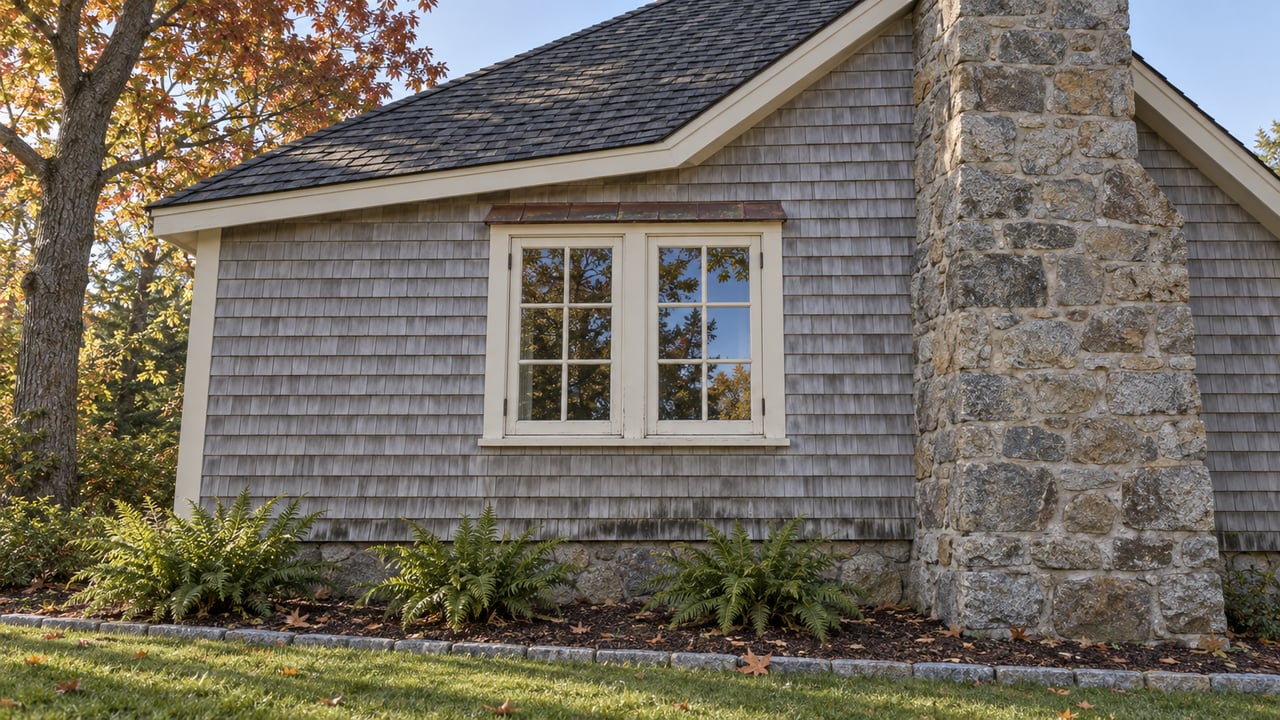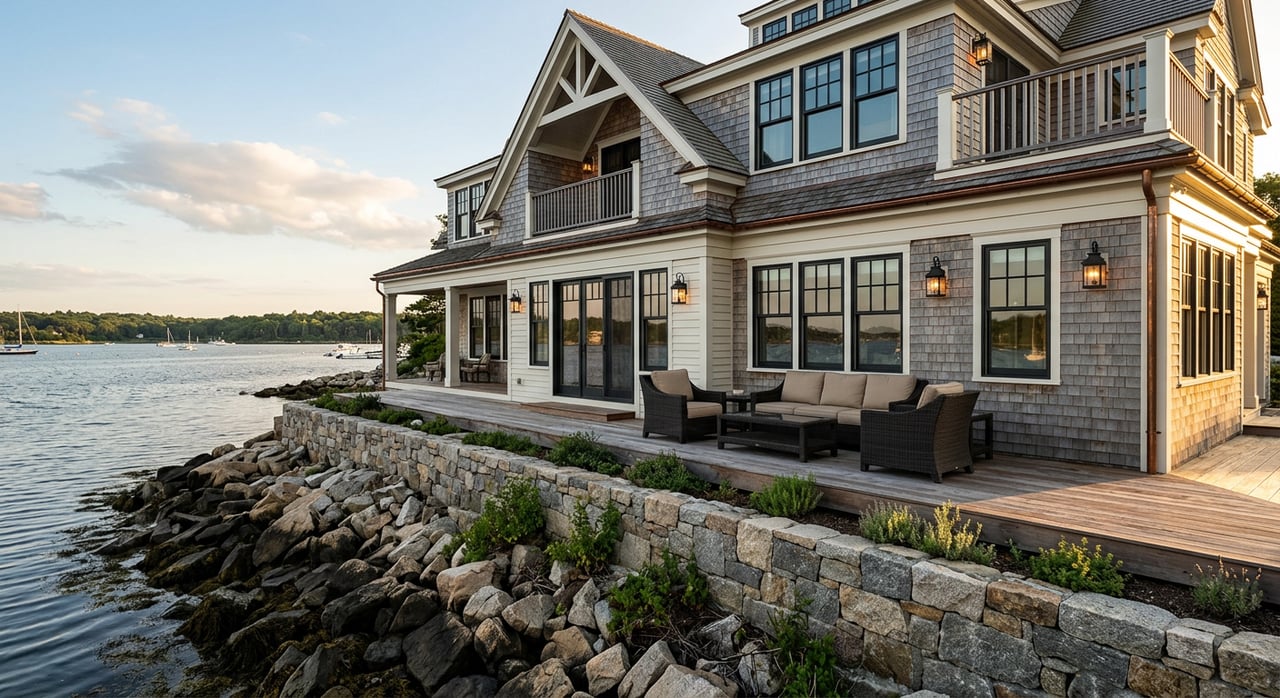
Picture this: you step from your townhome to a sandy beach, coffee in hand, with Lake Winnipesaukee glittering in the morning light. If you are weighing a condo or townhome in Laconia, you likely want easy lake access, low maintenance and a clear handle on costs and rules. In this guide, you will learn how Laconia’s waterfront and water‑access communities work, what amenities to expect, how HOA fees and boating rights differ, and the key due‑diligence steps that protect your purchase. Let’s dive in.
Why Laconia for waterfront living
Laconia anchors New Hampshire’s Lakes Region between Lake Winnipesaukee and Lake Winnisquam. The area offers a wide range of waterfront experiences, from full shoreline estates to water‑access condos and townhomes with beaches and docks. Water‑access condos often trade from the mid‑hundreds of thousands into the low millions, depending on size, slip rights and amenities.
Seasonal rhythms shape life here. Laconia Motorcycle Week in mid‑June brings added traffic and lodging demand around Weirs Beach and Paugus Bay, which can be a plus if you plan to host guests or consider rentals. Year round, you will find boating, hiking and winter recreation within a short drive.
Condo and townhome amenities to know
Common amenities
In Laconia’s waterfront communities, you will often see:
- Deeded or shared beaches and day docks
- Boat slips or moorings, sometimes with waitlists
- Community docks or launch areas and boat storage
- Pools, clubhouses and courts
- Assigned parking, some garages and on‑site management
- Year‑round road maintenance and snow removal
These shared features deliver lake lifestyle with less upkeep than a single‑family shoreline property.
What fits your lifestyle
- Downsizers and retirees: prioritize single‑level layouts or elevator buildings, stable associations, and clear dock access. Strong reserves can help avoid surprise assessments.
- Second‑home buyers: look for clear slip or mooring rules, simple lock‑and‑leave options, and proximity to marinas or launches.
- Busy professionals: low exterior maintenance, reliable internet and a quick route to I‑93 or local services often top the list.
HOA fees and what they cover
Monthly dues vary with the amenity package. In Laconia, listings commonly show:
- Communities with a shared beach and limited docks: dues often around $300 to $450 per month.
- Communities with pools, clubhouse and reserved slips: dues often $600 to $900 or more per month, sometimes with a one‑time buy‑in for amenities.
Dues typically cover exterior building maintenance, landscaping, snow removal, trash, master insurance, reserves and common‑area upkeep. Ask each association for a detailed list of included services.
Boating access, slips, and moorings
Know your rights and paperwork
Slips and moorings can be deeded, association‑assigned, rented or permitted through a harbormaster. Transfer rules vary. A slip described as “deeded” should appear in recorded documents. Always confirm transferability, waitlist rules and fees in writing with the association or harbormaster. For a primer on common pitfalls, see this overview of waterfront or water‑access living in the Lakes Region.
Docks and shoreline permits
Different dock types, repairs and replacements can require approvals. New Hampshire’s Shoreland Water Quality Protection Act sets standards within 250 feet of the lake and limits certain work without permits. Before planning dock or shoreline changes, review the state’s Shoreland Water Quality Protection Act (RSA 483‑B) and confirm whether your property sits within protected shoreland.
Flood zones and insurance
Lenders may require flood insurance if a building is in a Special Flood Hazard Area. Lakefront parcels can be inside or outside FEMA flood zones, even within the same association. Check each address using the FEMA Flood Map Service Center and gather quotes early to budget correctly.
Short‑term rentals and taxes
Short‑term rental rules in New Hampshire include state tax obligations and local zoning. The state imposes a rooms and meals tax on short‑term stays. Review the statutory framework in RSA 78‑A. Laconia’s municipal rules and condo documents may add restrictions or permits. Before assuming rental income, confirm city requirements and association policies in writing.
Utilities, winterization and connectivity
Many Laconia communities are on city water and sewer, which simplifies ownership. Some smaller associations use individual septic systems. For developed waterfront properties, New Hampshire rules require a Site Assessment Study prepared by a permitted designer before executing a purchase contract. Ask for the current Site Assessment Form and learn what it says about septic, wells and site limits. You can read the administrative framework in the state’s Env‑Wq 1000 series.
If you plan to own seasonally, ask about winterization and temperature monitoring requirements. For example, some associations outline occupancy and temperature settings to protect buildings in colder months. You can see how a community communicates such standards by reviewing the Sundown Condominiums association page.
Community shortlist to explore
Use this quick list to narrow your tours. Inventory changes often, so verify availability and rules with your agent.
- Stonecrest Condominiums (Paugus Bay, Weirs Boulevard). Townhome cluster with natural sand beach and a limited number of slips. Typically shows moderate dues and city utilities. A fit for buyers who want beach access with lower maintenance.
- Sundown Condominiums (near Plantation Beach). Deeded beach access to a larger association beach, day dock and tennis. Association guidelines include winter temperature monitoring that supports lock‑and‑leave living. Review the Sundown association website for context.
- Breakwater Condominiums (Kristen Drive, Paugus Bay). Townhome‑style residences with pool, clubhouse, day dock and courts. Higher monthly dues are balanced by an expanded amenity set. Good if you value on‑site recreation.
- Moulton Cove (near the Weirs). Water‑access townhomes close to the Weirs boardwalk and activities. Low‑maintenance living with an easy walk to seasonal fun.
- Hi‑Spot Condominiums (Weirs Boulevard, Paugus Bay). Cottage‑style condos with a community beach and swim platform. Often appeal to price‑conscious buyers who want immediate lake access. Confirm rental and mooring rules with the association.
- South Down Shores and neighboring Long Bay. Gated, resort‑style communities with multiple beaches, boat club options and tennis. Typically more expensive but very turnkey for owners seeking a village feel.
- Other notables: The Lake Houses at Christmas Island, Windover, Wildwood Village, Rocky Ledge and Overlook. Each has its own mix of slips, beaches and amenities, so compare rules and budgets side by side.
Due‑diligence checklist for buyers
Use this as your practical roadmap from offer through inspections.
Request these documents early
- Resale or estoppel certificate with current dues, special assessments and delinquency rate
- CC&R/Declaration, Bylaws, Rules and all amendments
- Current budget, year‑to‑date financials, balance sheet and reserve study (check percent funded)
- Board meeting minutes for the last 12 to 36 months
- Master insurance declarations with limits and deductibles
- Recorded deed or easements that define beach, slip, mooring and parking rights
- Site Assessment Study for developed waterfront properties
- Permits for docks and any NHDES shoreland or wetlands approvals
For help reading HOA records, see this plain‑English guide to reviewing association documents.
Order the right inspections
- Full home inspection and, when relevant, specialist dock or boathouse inspection
- Well water testing if not on municipal water
- Septic evaluation or confirmation of municipal sewer connection
- Flood zone confirmation and an elevation certificate if your lender requests one
Consult the FEMA Map Service Center to check mapping details.
Ask the HOA targeted questions
- What do monthly dues cover exactly, and which utilities are included?
- Reserve balance, date of last reserve study and any upcoming roof, dock or bulkhead projects
- Slip and mooring rules, transferability on sale, fees and waitlist mechanics
- Rental policy, including minimum stays and approval steps for short‑term rentals
- Snow removal standards, winterization expectations and temperature monitoring rules
Watch for red flags
- Low reserves with no plan to improve funding
- Recent or active association litigation
- Missing or unclear permits for docks or shoreline work
- Ambiguous deed language for beach or dock rights
- Repeated budget shortfalls or surprise assessments in meeting minutes
What to do next
- Ask your agent to gather the association resale packet before your inspection deadlines
- Use the NHDES Site Assessment Form and FEMA map lookup early in your process
- Contact the harbormaster or association dock manager to verify mooring or slip status and fees
- Get homeowners and boat insurance quotes that address docks and seasonal vacancy rules
- If you plan to rent, confirm city short‑term rental rules, register for state tax under RSA 78‑A and verify HOA rental policies
Budgeting and local taxes
City tax rates and municipal budgets influence your annual carrying cost. Laconia budgets are set yearly by the City Council, which guides local tax planning. For context on recent budgeting, review local reporting like the Laconia Daily Sun’s coverage of the city budget process. Before you finalize numbers, confirm the current tax rate with the Laconia Assessor’s Office.
Work with a team that knows the shoreline
Buying into a waterfront or water‑access association is about more than a beautiful view. It takes clear guidance on docks, slips, shoreland rules, insurance and budgets so your place on the lake works the way you expect. If you want a thoughtful, concierge approach backed by deep local stewardship and premium marketing reach, connect with Mulligan Property Group to start a private, no‑pressure conversation.
FAQs
What makes Laconia’s waterfront condos different from single‑family waterfront homes?
- You trade private shoreline control for shared amenities and lower maintenance, with rules on docks and rentals set by the association rather than only by you.
How do HOA fees vary for Laconia lake communities?
- Dues often run about $300 to $450 per month for beach‑and‑dock access communities and about $600 to $900 or more where pools, clubhouses and reserved slips are included.
How can I verify a deeded boat slip in Laconia?
- Confirm the slip in recorded deed language and get written transfer confirmation from the association or harbormaster, including any fees or waitlist rules.
Do I need flood insurance for a Laconia waterfront condo?
- Check each address on FEMA’s map, since some buildings lie in flood zones and some do not; your lender decides if coverage is required in a Special Flood Hazard Area.
Are short‑term rentals allowed in Laconia waterfront condos?
- It depends on city rules and the condo’s governing documents; confirm local permits, the state tax under RSA 78‑A and association policies before planning rentals.