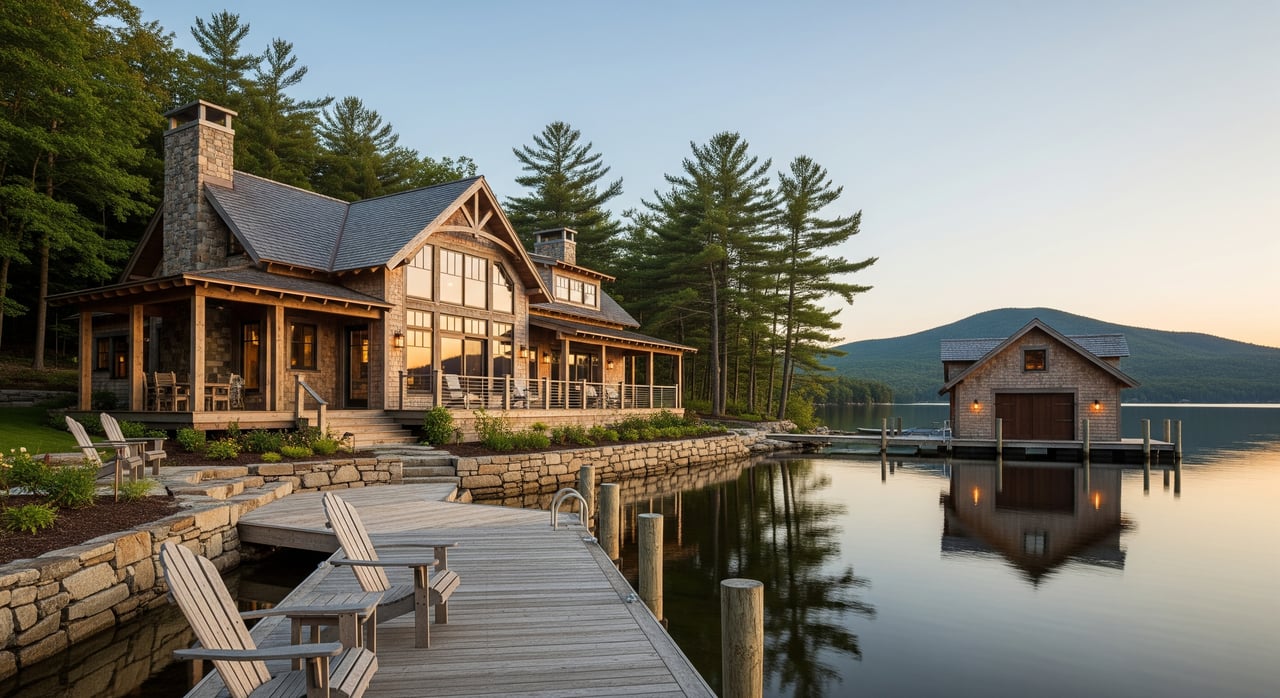
Thinking about updating a cherished camp in Tuftonboro but unsure how to pay for it over time? You are not alone. Many legacy waterfront and near-shore camps need careful upgrades that protect the lake, fit local rules, and respect a property’s original character. In this guide, you will learn how a HELOC can fund phased work, what permits to expect, smart sequencing that avoids rework, and how to set a practical budget that stays aligned with Tuftonboro market realities. Let’s dive in.
Why a HELOC fits camp renovations
A home equity line of credit gives you revolving access to equity with a variable interest rate, a draw period, and a repayment period. For a camp you plan to improve in stages, this flexibility can be a real advantage.
- Pros for phased work: You can draw funds as each phase starts, often with interest-only payments during the draw period. Upfront costs are typically lower than full construction loans, and some lenders let you convert portions to a fixed rate for predictability.
- Cons to watch: Rates are variable, so build in a buffer for changes. For second homes, many lenders set more conservative combined loan-to-value limits and stricter underwriting than for primary residences. You will likely need an appraisal and clear title.
- When a HELOC shines: Projects with uncertain scope or multi-stage timing, such as addressing septic, then envelope, then kitchens and baths.
If your plan includes a single big-ticket item with a well-defined price, like a septic replacement, a fixed-rate home equity loan may be the better tool for that portion.
Know Tuftonboro rules early
Local and state rules shape what you can do and how much it will cost. Contact the Tuftonboro Town Office, Building Inspector, and Planning Board early to discuss permits, setbacks, lot coverage, wetlands or shoreland buffers, and driveway access. Lakeshore lots often have tight footprints, and additions can trigger Planning Board review.
New Hampshire shoreland and water-quality protections frequently apply on the lakefront. Renovations that disturb shoreline soils may require erosion control, engineered stormwater practices, and permitting. Conservation commissions sometimes review plans that affect wetlands or buffers.
Septic is a central issue. If a system is failing or undersized, New Hampshire Department of Environmental Services rules require evaluation and a design from a licensed septic designer or engineer. Lakeshore parcels may need advanced treatment or larger setbacks, which can change scope and cost.
Many older camps are legally nonconforming. Expanding footprint or relocating a structure can require full compliance with current setbacks and coverage rules. Smaller interior updates are less likely to affect nonconforming status than structural enlargements.
Also check floodplain and erosion risk. Some parcels fall in FEMA zones, which can affect insurance, lender requirements, and sometimes foundation design.
Phase the work in the right order
Renovating a legacy camp goes smoother when you address health and durability first, then finish work. A thoughtful sequence protects your investment and reduces rework.
Phase 1: Site, septic, drainage
Address a failing or undersized septic system first. Problems here can trigger stop-work orders and health risks. Improve grading and drainage to protect foundations and reduce shoreline erosion. Expect erosion-control and vegetative buffer requirements on many lake lots.
Phase 2: Structural envelope
Secure the building shell before upgrading interiors. Focus on roofing, flashing, gutters, foundation stabilization, siding, and weather-tight windows and doors. Dry, tight envelopes preserve later finishes and new mechanicals.
Phase 3: Mechanical systems
Bring electrical to code and modernize plumbing in line with the septic design and future kitchen or bath layouts. Consider heating choices if you plan to extend seasonal use or improve insulation.
Phase 4: Permit triggers and code items
If you will add bedrooms or change use, confirm whether full code upgrades will be required. Plan inspections and sequencing so envelope and systems are set before finish carpentry.
Phase 5: Kitchens, baths, interiors
Tackle these after the structure and systems are sound. You protect your finish work and avoid tearing out new materials for follow-on upgrades.
Phase 6: Exterior amenities
Docks, decks, boathouses, and driveways often require their own permits and environmental review. Plan them after primary systems and stormwater work are complete.
Budget with eyes wide open
Local quotes are essential, but you can frame a realistic budget by understanding common cost drivers around Tuftonboro and the Lakes Region.
- Septic: Site soils, ledge, high water tables, and lake setbacks affect design and price. Engineering, permitting, and advanced treatment systems can be significant.
- Access and site work: Narrow drives, seasonal access, rock, and slopes raise excavation costs.
- Structure: Older camps often need foundation or structural repairs that are hard to predict.
- Utilities: Electrical panels and wiring updates, propane or gas line work, and heating upgrades can add up quickly.
- Labor and timing: Seasonal demand and specialized septic or shoreline contractors can impact both cost and schedule.
- Soft costs: Building permits, engineering, septic design, and environmental reviews belong in your budget.
Use a 15 to 25 percent contingency. Hidden conditions are common in older properties, and contingencies help you navigate surprises without derailing the plan.
Consider breaking the project into phases that each leave the camp functional. For example, Phase 1 could be septic and envelope fixes that stabilize the property, followed by kitchen and bath updates, and then exterior amenities.
Compare financing choices
A HELOC is not the only option. Match funding to scope and timing.
- HELOC: Best for staggered phases with uncertain timing. Draw what you need when you need it. Be mindful of variable rates and second-home LTV limits.
- Home equity loan: Fixed-rate lump sum for defined projects, such as a single septic replacement.
- Cash-out refinance: Replaces your mortgage and pulls equity. It can be attractive if your current mortgage rate is high relative to HELOC pricing. Closing costs apply.
- Renovation mortgages: Products like FHA 203(k) or Fannie Mae Homestyle are generally designed for primary residences. If your camp is your primary home, ask lenders about eligibility.
- Personal or contractor financing: Useful for small items but often higher cost and lower limits.
- Grants and cost-share: State or local programs sometimes support septic upgrades or shoreline stabilization to protect water quality. Check availability early, since programs change.
Ask a tax advisor about interest deductibility. Interest on a HELOC used to substantially improve the secured property may be deductible in some cases, but rules change and individual situations differ.
Many owners choose a hybrid approach. Use a HELOC for flexible early phases, then lock a fixed home equity loan or consider a refinance when you have a large, single-stage cost.
Prepare for lender review
Come prepared. A clean, complete file speeds approvals and can improve terms.
- Ownership and liens: Deed, current mortgage statements, and any lien details.
- Taxes and insurance: Recent property tax bill, assessment, homeowner’s policy, and flood insurance if applicable.
- Income: Pay stubs, W-2s, or tax returns as requested.
- Valuation: Appraisals are common. Comparable sales or a broker price opinion can help on unique camps.
- Scope and costs: Contractor bids or phased estimates. Lenders may request a use-of-proceeds plan for draws.
- Septic and site: Inspection reports, prior designs, or site evaluations if available.
- Permits: Permit applications or documented talks with the Building Inspector show readiness and reduce perceived risk.
- Title: Expect a title search or title insurance requirement.
For second homes, lenders often cap combined loan-to-value at more conservative levels. They may also adjust valuation if the structure is seasonal or not heated year-round. Some lenders manage draws against invoices or hold back funds until inspections confirm completion, so ask how construction draws are handled.
Fit the plan to the market
Avoid over-improving relative to nearby updated camps in Tuftonboro and the broader Lakes Region. Let local comparable sales guide finish levels and additions. If lot constraints limit expansion, focus on function and durability. Septic, envelope, and mechanical upgrades protect value and water quality while preserving options for future interior refreshes.
A practical timeline
- Start with a site and septic evaluation to confirm immediate needs and design constraints.
- Meet with the Tuftonboro Building Inspector to review your concept and identify potential triggers for Planning Board review.
- Gather two to three contractor bids with phased scopes and timelines.
- Speak with local banks and credit unions about HELOCs, home equity loans, and refinance options. Confirm second-home LTV limits, appraisal expectations, variable-rate features, and any draw escrow.
- If the structure is nonconforming, obtain written guidance on what scope would risk grandfathered status.
- Explore possible septic or shoreline cost-share programs and apply early if eligible.
Work with local expertise
Upgrading a legacy camp is both a financial and stewardship decision. Careful planning protects your investment and the lake. With deep Lakes Region roots and hands-on experience navigating shoreland rules, septic design coordination, and phased improvements, you can move from wish list to workable plan with confidence.
Ready to map your renovation and financing path step by step? Schedule a private consultation with Mulligan Property Group to discuss your goals and get connected with trusted local resources.
FAQs
What is a HELOC and how does it work for a Tuftonboro camp?
- A HELOC is a revolving line of credit secured by your property that lets you draw funds over time, often with interest-only payments during the draw period, which fits phased renovations common with legacy camps.
Are HELOC terms different for second homes in the Lakes Region?
- Yes, lenders often use more conservative combined loan-to-value limits and stricter underwriting on second homes, and they may adjust appraisal values for seasonal or non-heated structures.
Which projects should I fund first when renovating a legacy camp?
- Prioritize health and durability: septic and drainage, then the structural envelope, then electrical, plumbing, and heating before moving to kitchens, baths, and exterior amenities.
What Tuftonboro permits affect lakeshore renovations?
- Expect local building permits and reviews for setbacks, lot coverage, wetlands or shoreland buffers, and driveway access, plus state requirements for shoreland protections and septic systems.
Can HELOC interest be tax deductible for renovation work?
- Interest may be deductible if the HELOC funds substantially improve the secured property, but you should confirm your specific situation with a tax advisor because rules can change.
How do I avoid over-improving my Tuftonboro camp?
- Compare your planned budget and finish level to recent sales of updated camps in Tuftonboro and the broader Lakes Region, and focus on essential systems if lot constraints limit expansion.
What documents should I gather before applying for a HELOC?
- Prepare your deed, mortgage statements, tax and insurance documents, income verification, contractor bids, septic reports, permit plans, and any relevant title or flood information.