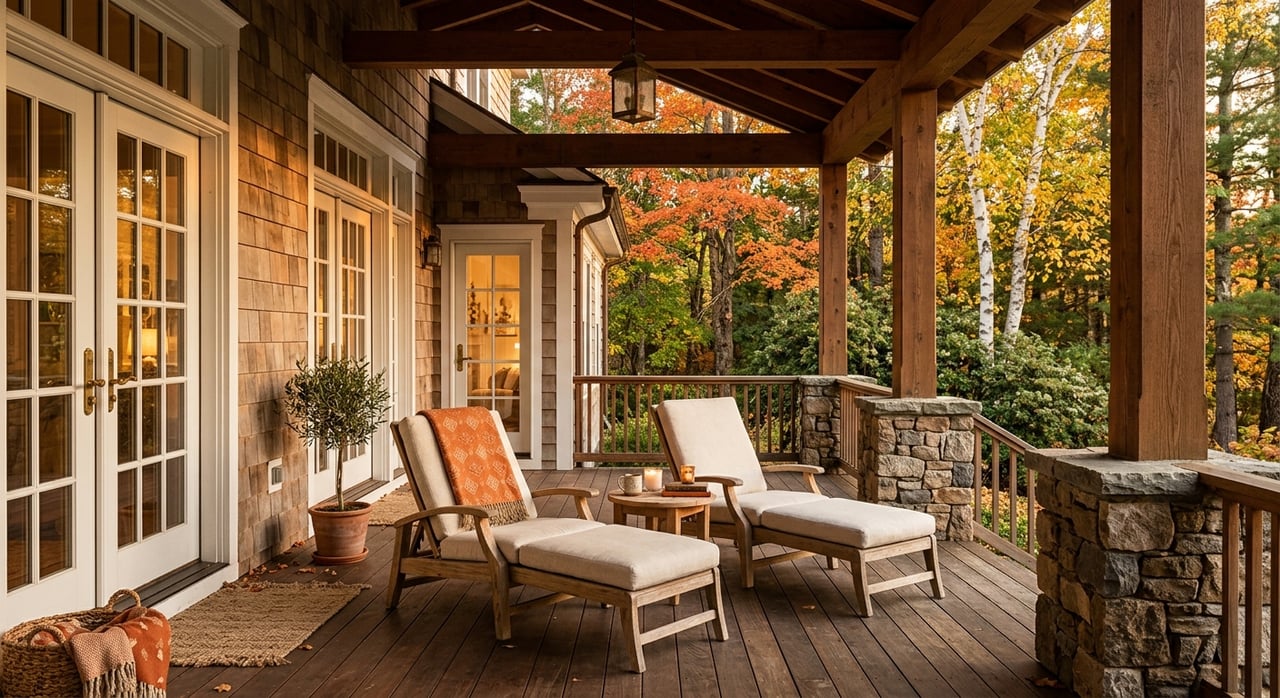
You love the character of your Wolfeboro home—the wide-board floors, the fireplace that anchors winter evenings, the way the porch frames summer light over Winnipesaukee. Today’s buyers love those qualities too, but they also want turnkey function, clean lines, and spaces that photograph beautifully. If you are getting ready to list, smart staging helps you honor what makes your home special while removing the small barriers that keep buyers from saying yes. In this guide, you’ll learn how to showcase historic charm, dial in modern appeal, and present the lake lifestyle buyers are seeking. Let’s dive in.
Know today’s Wolfeboro buyer
Wolfeboro is a true Lakes Region destination with a long-standing resort identity. Many buyers shop for lifestyle first, then floor plan. Waterfront access, outdoor rooms for entertaining, and easy, low-maintenance living are top of mind for seasonal and year-round purchasers. That regional draw is part of what keeps Wolfeboro in demand as a lake town in New Hampshire’s Lakes Region.
Realtor.com reported a median listing price near $697,000 and a median of 84 days on market through December 2025, which offers context for presentation standards and buyer expectations. You will want to confirm the latest snapshot close to your list date, but it is clear buyers at this level expect strong photography, move-in readiness, and thoughtful updates. See the local market overview.
Luxury and second-home shoppers often prioritize indoor–outdoor living, wellness, privacy, and turnkey systems that work from day one. Position your home so those buyers can instantly picture their life here.
A simple rule: honor character, reduce friction
Staging is not about hiding flaws. It is about helping buyers see themselves in the home. The National Association of REALTORS reports that staging helps buyers visualize a property and can shorten time on market while increasing offers. That is why a focused plan beats ad hoc touch-ups. Review the NAR staging findings.
Preserve what buyers travel to see
Wolfeboro buyers value authenticity. Keep visible historic elements intact whenever feasible. Clean and lightly restore millwork, mantels, stair parts, and original floors. Preservation guidance favors repairing rather than replacing and making changes reversible when possible, which protects the home’s story and appeal. If replacement is necessary, match profiles and materials where visible so the result feels true to the house. Learn the repair-first preservation approach.
Modernize without gutting
Aim for high-impact, reversible updates instead of major demolition. National Cost vs. Value data shows minor kitchen remodels recoup a larger share of cost at resale than full gut jobs. In 2025, a Minor Kitchen Remodel nationally recouped about 113 percent, and midrange bath projects often returned around 80 percent. That is a smart signal to refresh cabinets with paint, swap hardware, re-grout tile, add updated lighting and faucets, and tidy caulk and finishes. See Cost vs. Value guidance.
Room-by-room priorities that pay off
NAR surveys consistently identify the living room, primary bedroom, and kitchen as the areas that matter most to buyers. Start here before spreading budget to lower-impact spaces.
Living room: warmth, symmetry, and light
- Edit furniture to improve flow. Remove 20 to 40 percent of pieces in smaller rooms.
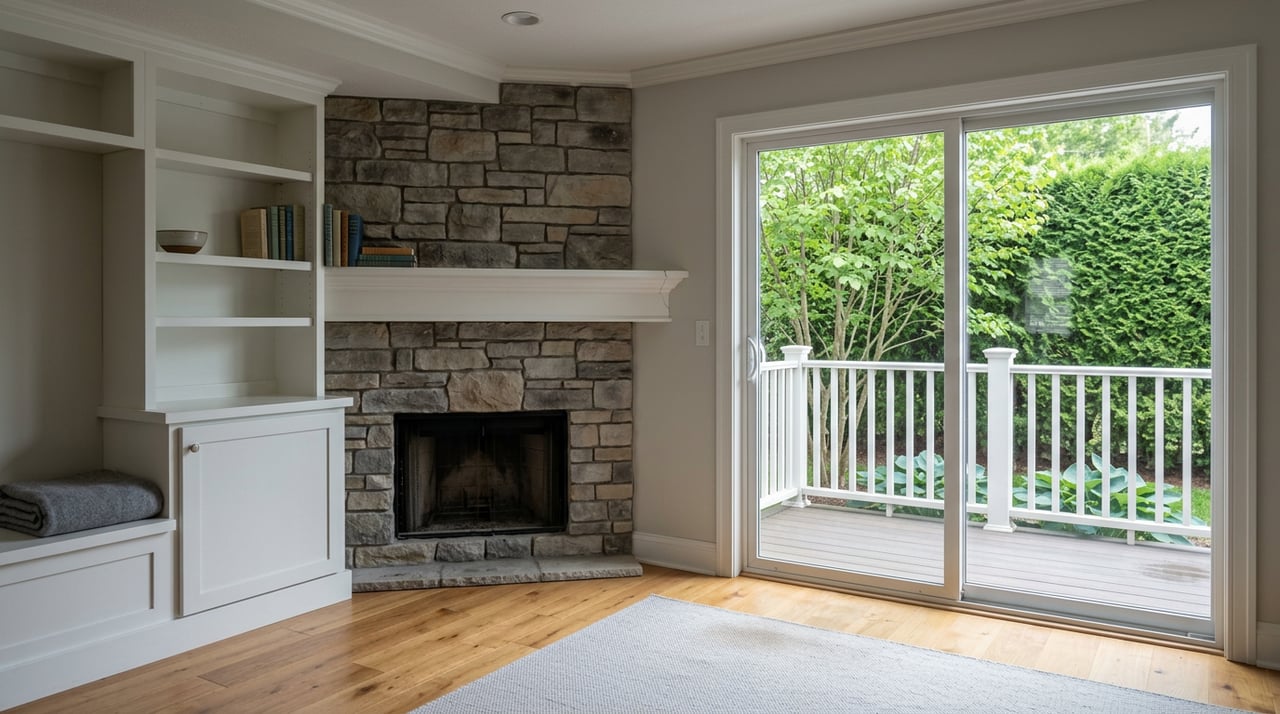
- Center seating on the fireplace or a view corridor. If you have lake sightlines, orient seating toward them.
- Use a restrained color palette with warm neutrals. Add texture with pillows and throws.
- Layer lighting. Table and floor lamps reduce shadows in photos and showings.
Primary bedroom: calm and generous
- Keep surfaces clear and styling simple. Two to three decor accents per dresser is enough.
- Choose neutral bedding with one warm accent, such as a textured throw.
- If the room is tight, swap bulky nightstands for slender tables to reveal scale.
- Ensure window treatments open fully so natural light fills the room.
Kitchen: classic bones, fresh finishes
- Paint or reface cabinet fronts if boxes are solid. Warm greige or cream reads traditional yet current.
- Install coordinated hardware, a modern-but-classic faucet, and updated lighting.
- Refresh grout, replace a busy backsplash with a simpler field tile, and recaulk seams.
- Style with restraint. One bowl of fruit, a small herb plant, and a wood board communicate hospitality without clutter.
Baths: bright and spotless
- Deep clean, re-grout, and re-caulk. Replace worn shower curtains or glass sweeps.
- Update vanity hardware and mirror if dated. Add even lighting on both sides of the mirror when possible.
- Keep counters clear. One tray with soap, a candle, and hand towels is enough.
Lakefront and outdoor staging that sells the lifestyle
On the water, the view is the star. Your goal is to make the lake the first thing buyers notice in person and online.
- Reveal sightlines. Trim nonessential vegetation that blocks views and raise shades fully for showings.
- Stage dock and shoreline simply. Clean, repair, and place minimal, high-quality seating that frames the water.
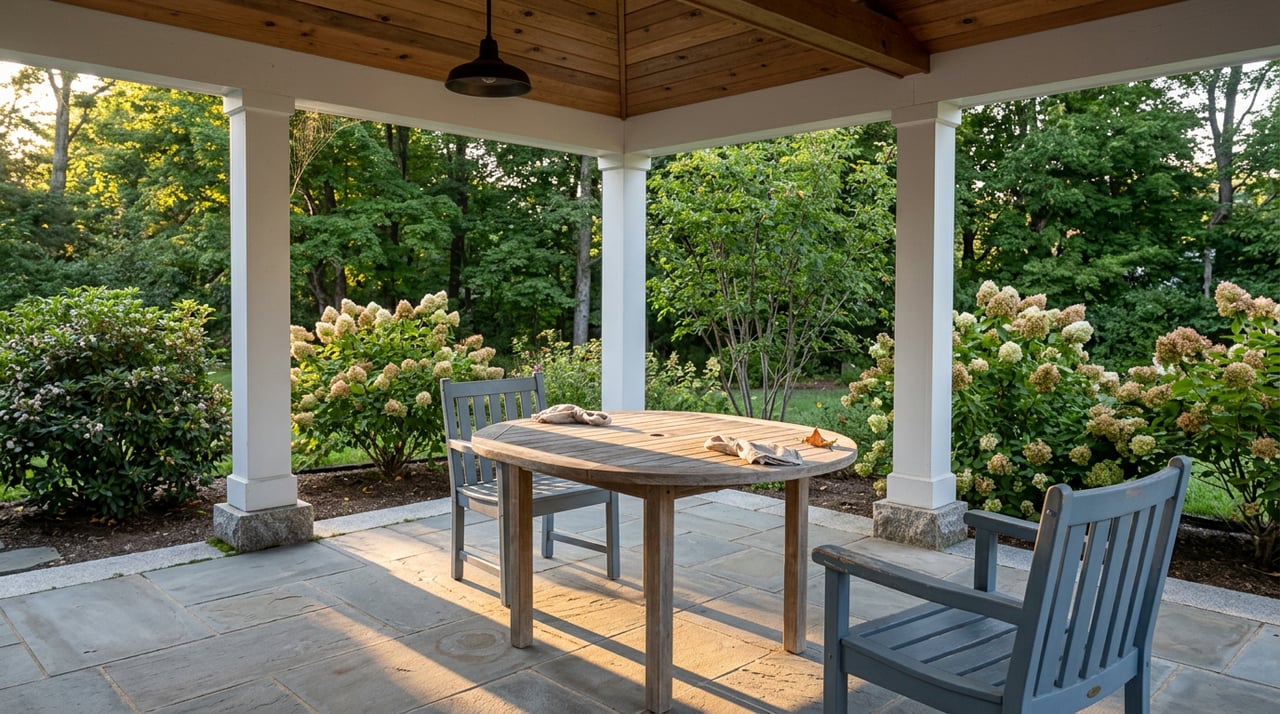
- Define outdoor rooms. Create a dining zone and a lounge grouping on the deck or patio. A rug, a table, and a few durable textiles add comfort.
- Add subtle lighting for twilight showings and photos. Path lights and gentle string lights over a dining area create evening ambiance.
- Honor historic materials. If your deck, porch, or shoreline structures have heritage character, keep the look intact while cleaning or staining for a refreshed feel.
- Share what matters. Disclose known details about shore access and dock arrangements, and check for any local or state rules that may affect work near the water or historic features. For background on the area’s lakeside lifestyle and draw, see the Lakes Region outdoor overview. For site-specific heritage considerations, consult the town’s resources and Heritage Commission, starting with the Wolfeboro Heritage information page.
Photography that makes every click count
Most buyers will experience your home online first. Plan staging to serve the camera as much as in-person showings.
- Commission pro interior stills that capture proportion and flow, plus detail shots of original features.
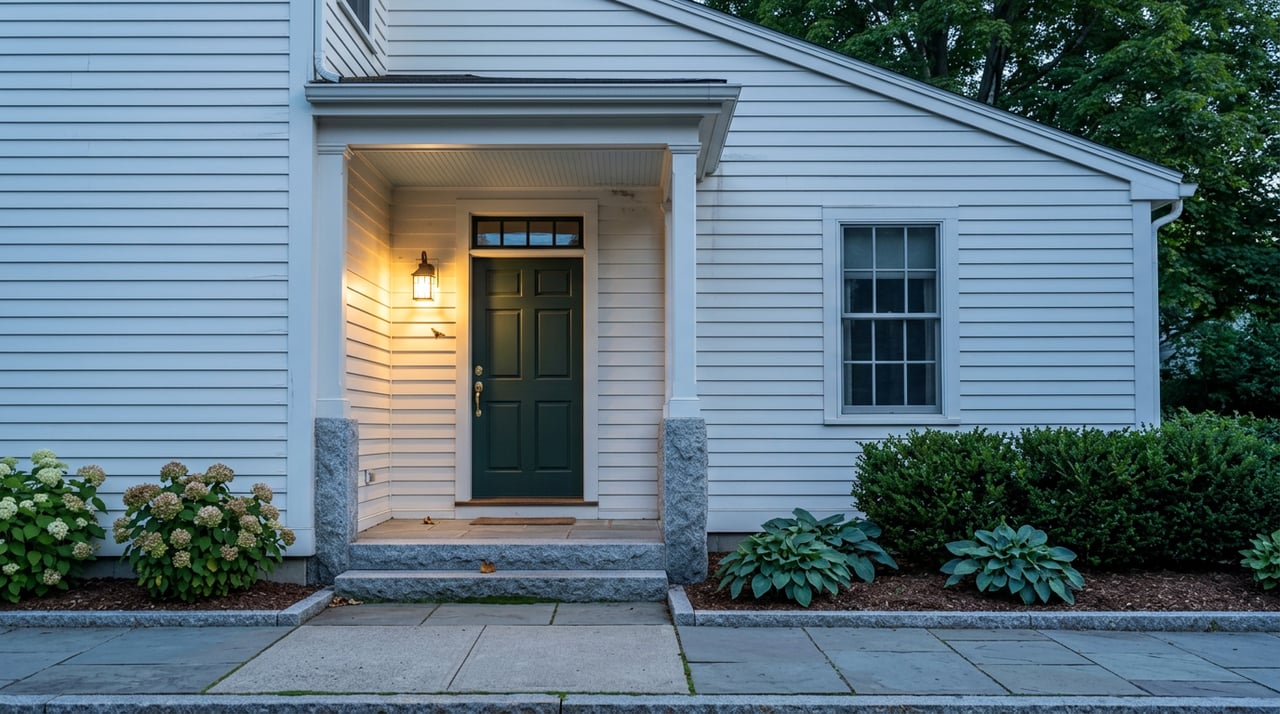
- Book a twilight exterior session. Dusk images tend to boost engagement and are especially powerful for lakefront and historic exteriors.
- Add drone or aerials to show shoreline context, dock placement, and proximity to downtown.
- Include a 3D tour or Matterport and an accurate floor plan for remote buyers who shop from Boston and beyond.
- Style for the lens. Declutter, depersonalize, and maintain negative space so rooms read larger. Use layered lighting to avoid dark corners. If you use virtual staging for a vacant room, label those images clearly and balance them with authentic photos. For a deeper dive on shoot planning, review these professional photography tips.
Budget, timeline, and scope that fit your goals
A smart plan starts with a realistic budget and a clear timeline. National patterns suggest occupied styling with your own furniture often ranges from about $500 to $3,000, while full vacant-home staging with rentals can run $2,000 to $6,000 or more depending on size and luxury level. Many sellers land near a median spend around $1,500. Use these ranges to choose a scope that matches your price point and the competition. Compare typical staging costs.
When it comes to improvements, follow the Cost vs. Value guidance to target returns. Minor kitchen updates and midrange bath refreshes commonly recoup a strong share of costs at resale compared to full upscale gut jobs. Let comps and your agent’s advice shape where to invest.
A practical pre-listing timeline
- 6 to 12 weeks out: Walkthrough with your agent to set priorities. Book any stager consults and your photographer, including drone and twilight sessions.
- 4 to 8 weeks: Complete repairs and refreshes. Tackle paint, cabinet updates, lighting swaps, floor touch-ups, and exterior cleanup.
- 1 to 2 weeks: Place staging and style. Schedule a deep clean. Confirm that lake views and outdoor rooms are photo-ready.
- Launch week: Shoot professional photos and media. Prepare a concise “house story” that highlights history plus updates. Allow 24 to 72 hours for online syndication before major marketing pushes.
Quick checklist for classic Wolfeboro homes
- Verify your current local market snapshot so pricing and presentation align with buyer expectations.
- Preserve visible historic elements. Repair moldings, mantels, and floors rather than replacing.
- Prioritize the living room, primary bedroom, and kitchen for staging spend.
- Refresh kitchens and baths with paint, hardware, lighting, and clean finishes.
- Reveal and frame lake views. Define outdoor dining and lounge zones, and tidy docks.
- Book twilight and drone photography. Include a 3D tour and accurate floor plan.
- Organize documentation. Gather permits and paperwork for system upgrades and any historic easements or restrictions.
When to bring in a pro
If you are not sure where to start, or you need help coordinating specialists, you do not have to do it alone. A local, lakeside-focused team will help you prioritize high-ROI updates, source trusted vendors, secure top-tier photography, and navigate Wolfeboro-specific considerations, including heritage and shoreline questions. That support turns a good listing into a great one by aligning staging with buyer demand and marketing reach.
Ready to showcase your home with care and confidence? Connect with the team that lives and breathes the Lakes Region. Schedule a private consultation with Mulligan Property Group to plan a preservation-minded, photo-ready launch.
FAQs
Does staging really help sell a Wolfeboro home faster?
- Yes. NAR reports that staging helps buyers visualize a property and can reduce time on market while increasing offers. Results vary by price tier and demand, but staged homes often see stronger engagement. Review the findings.
Should I fully remodel an older kitchen before listing?
- Usually not. A targeted refresh—paint or reface cabinet fronts, swap hardware and lighting, and tidy grout and caulk—often delivers better cost recapture than a full gut remodel. See Cost vs. Value data.
How much should I budget for staging a Wolfeboro lake house?
- Start with a focused plan of about $1,000 to $3,500 for occupied staging that prioritizes the living room, primary bedroom, and kitchen. Scale to full vacant staging only if your price point and buyer profile justify furniture rental. Compare typical costs.
What outdoor staging moves matter most for lakefront listings?
- Reveal the view, keep docks and shoreline clear and safe, define outdoor dining and lounge zones, and add subtle evening lighting. Confirm any rules that apply to docks or historic features with local resources like the town’s Heritage Commission. Start with this town page.
How should I plan photos for a historic or waterfront home?
- Hire a real estate specialist who delivers interior stills, twilight exteriors, aerials, and a 3D tour with a measured floor plan. Style rooms for negative space and label any virtual staging clearly. See pro photo planning tips.