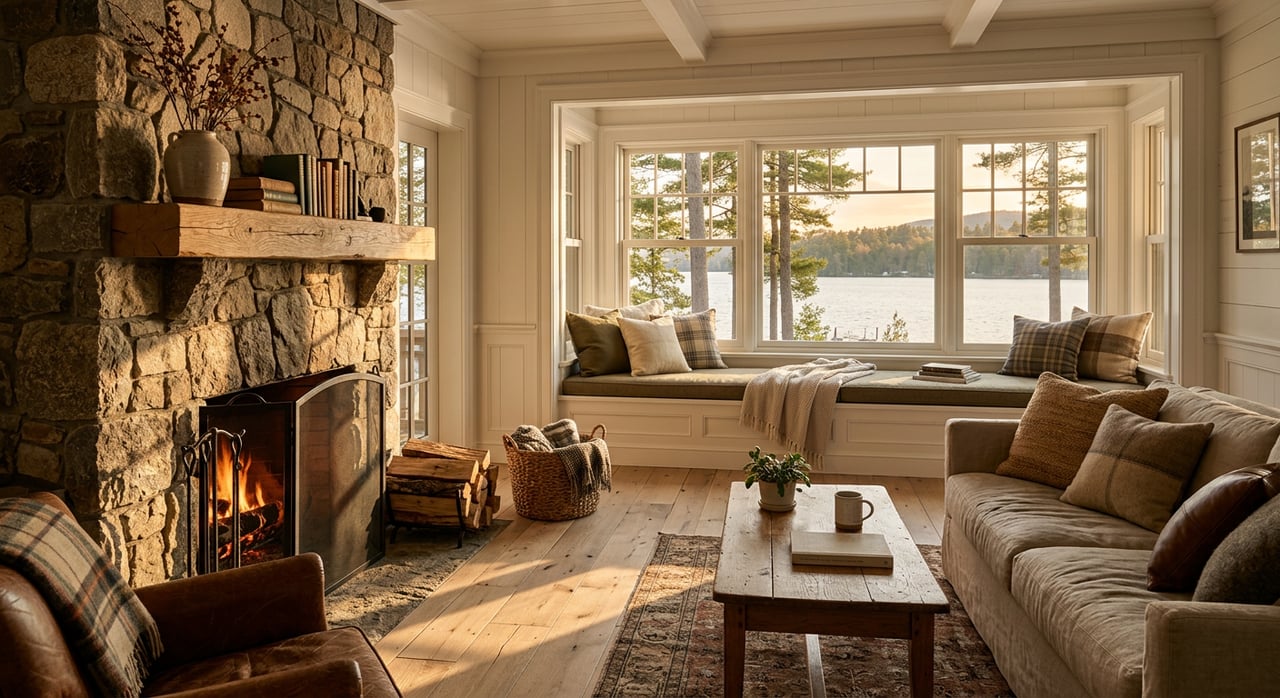
Thinking about buying a place in Laconia that you can enjoy and also rent when you are not here? You are not alone. The Lakes Region draws steady interest from second‑home buyers who want lifestyle first and rental income second. In this guide, you will learn how to judge Laconia’s fit for a first investment, from market numbers to short‑term rental rules, operating costs, and a clear due‑diligence plan. Let’s dive in.
Laconia market at a glance
Laconia sits in New Hampshire’s Lakes Region, where inventory is tight and seasonal demand is strong. Statewide reports showed single‑family medians above $500,000 in 2024–2025, and many Lakes Region towns trend higher than the state median, so it pays to shop by neighborhood and property type rather than headline figures. You can see the latest statewide context in the New Hampshire REALTORS market update. Recent statewide reports help frame expectations.
City snapshots vary by source and time window. For example, Redfin’s Laconia report showed a January 2026 median sale price near $399,000 citywide. Waterfront and Weirs Beach areas often command higher prices than inland streets, so compare like with like and note the date on any median you use.
If you plan a long‑term rental fallback, Realtor.com’s local overview has shown median asking rents in the mid‑$1,800 to $1,950 per month range. For short‑term rentals, market analytics point to pronounced seasonality. Airbtics’ Laconia snapshot has shown ADRs often around the low‑to‑mid $300s and annualized occupancy near the 50 percent range, with wide variation by bedroom count and waterfront proximity. Summer on Lake Winnipesaukee, nearby Gunstock Mountain in winter, and June’s Laconia Motorcycle Week drive the calendar, so most STR income is summer‑weighted with event spikes.
The rule that matters most: STR eligibility
Short‑term lodging rules determine whether your plan works. Laconia regulates “Short‑Term Lodging” directly, and the details are purchase‑critical.
Where STRs are allowed
In Laconia, STRs are permitted by right in the Commercial Resort (CR) and Shorefront Residential (SFR) zoning districts. There is no numeric cap within those districts. STRs are prohibited in Industrial zones and restricted in many other residential zones. You can read the ordinance and check your parcel’s zoning in the city code. Start with the STR ordinance and Chapter 235 Zoning.
Permits and renewals
A city STR permit is required. Applications are reviewed administratively by the Planning Department, approvals last two years, and renewals are mandatory. Violations can trigger daily civil penalties and permit revocation. Plan for compliance time and cost.
Owner‑occupied and seasonal carve‑outs
In many residential zones, STR use is allowed only if the owner meets an owner‑occupancy test. The ordinance uses a 150‑day per year owner‑occupancy requirement for accessory STRs, and you cannot short‑term rent both a primary home and an ADU on the same lot. There is also a narrow seasonal‑dwelling option that allows up to 15 separate rentals or 120 nights between May 1 and Oct 31 for qualifying small seasonal units.
HOA and condo rules
Even if the city allows STRs, many associations restrict them. Ask for CC&Rs and meeting minutes early. Treat missing documents as a red flag.
Property types and strategies that work
Property types to consider
- Shorefront single‑family cottages. Higher purchase prices and upkeep, but premium ADRs and strong guest demand. Expect to evaluate septic, shoreline maintenance, and possible flood insurance.
- Condos near Weirs Beach or downtown. Often a lower entry price and simpler exterior maintenance. Confirm HOA STR policy and whether the project sits in a CR or SFR zone.
- Small multi‑units in town. Useful for a house‑hack or pure investment. Check zoning for multi‑family use and understand the city’s stance on replacing year‑round housing with STRs.
- Seasonal cottages or cabins. If they meet the ordinance’s criteria, you can operate under the 15‑rental or 120‑night seasonal limit. Calendar caps make revenue planning essential.
Smart use strategies
- Owner‑occupied STR. If you plan personal use that satisfies the owner‑occupancy test, you may gain flexibility in residential zones and potentially more favorable second‑home financing, if your lender agrees.
- Year‑round STR in CR or SFR. Properties inside these zones allow short‑term lodging without the owner‑occupancy hurdle. They are competitive and often pricier but can command top ADRs.
- Long‑term fallback. Always model a 12‑month lease option so you have a Plan B if rules tighten or bookings soften.
Costs, taxes, and risks to model
- Property taxes. Laconia’s posted 2025 rate was $12.98 per $1,000 of assessed value. Build a tax line based on current assessments and test for increases. See local reporting on the rate setting process in the Laconia Daily Sun.
- State lodging tax. New Hampshire applies the Meals & Rooms tax to qualifying short‑term lodging. Register and remit as required. Laconia does not currently add a separate city lodging tax, but confirm at purchase.
- Utilities and winterization. Budget for heat, water, and cold‑weather prep, especially for lake cottages.
- Septic and sewer. Many shoreline homes use private septic systems, and a notable share are decades old. Review pump and inspection history and be ready for upgrades or connection rules where sewer exists. The city’s watershed documents explain these issues well. Start here: City watershed and wastewater context.
- Flood insurance. Some shorefront parcels fall within FEMA Special Flood Hazard Areas. Check each address in the FEMA Flood Map Service Center and request an elevation certificate if needed.
- STR operating expenses. Platform fees, cleaning and laundry, turnover supplies, property management, insurance endorsements, dock or shoreline maintenance, and HOA dues add up. Industry guides often use 25 to 40 percent of gross rental revenue for operating costs before mortgage and major capital items. Get local quotes.
- Financing classification. Lenders price second homes differently than investment properties. Down payments and reserves can change by several points, and mis‑stating intended use is serious. Review standards with your lender, starting with this summary of conforming guidelines for second homes: financing classification basics.
Model returns the right way
Use conservative anchors. For many non‑waterfront or near‑town listings, model ADR in the mid‑$200s to $300 range and 40 to 60 percent annual occupancy, then stress test for fewer bookings. Airbtics’ Laconia data shows how much ADR and occupancy vary by size and proximity to the lake.
Compare your STR pro forma to a long‑term rental baseline using Realtor.com’s rent snapshot in the mid‑$1,800s to $1,950s. Layer in a 25 to 40 percent operating expense ratio plus property taxes, insurance, and any HOA dues. Finally, load the calendar to reflect reality in Laconia: a summer‑heavy booking curve with event‑driven spikes.
A fast, practical due‑diligence checklist
- Confirm zoning and STR eligibility for the exact parcel. Look up the tax map and zoning district, then verify whether the address sits in CR or SFR. Start with Chapter 235 Zoning.
- Read the city’s Short‑Term Lodging ordinance. Note permit terms, renewals, owner‑occupancy rules, seasonal limits, and penalties. Here is the official STR ordinance.
- Verify septic or sewer. If septic, get the system’s age, design, and service records, and price potential upgrades. If public sewer is nearby, confirm connection requirements. See the city’s watershed and wastewater overview.
- Check flood status and insurance. Search the address in the FEMA map center and plan for flood insurance if required.
- Review HOA or condo documents. Request CC&Rs and minutes. Confirm whether STRs are allowed and any minimum stay or booking rules.
- Build both STR and long‑term pro formas. Use current ADR and occupancy comps plus quotes for management, cleaning, and insurance.
- Align financing with intended use. Ask lenders to confirm in writing whether the loan will be treated as a second home or an investment. See this guideline summary.
- Call Planning and Code. Ask about any prior STR permits, open violations, and whether any amendments are under consideration.
Two quick scenarios
- CR or SFR parcel near Weirs Beach. Because STRs are permitted by right in these zones, you can operate without an owner‑occupancy test, subject to permitting and renewals. Expect higher ADRs and more competition, and plan for a purchase price that reflects the location.
- Inland single‑family in a residential zone. You may need to meet the 150‑day owner‑occupancy rule to operate an accessory STR. If that does not fit your lifestyle, consider a long‑term rental plan or shop for a seasonal cottage that qualifies for up to 15 rentals or 120 nights between May and October. Always verify specifics in the STR ordinance.
Is Laconia right for you?
Laconia can be an excellent first Lakes Region investment if four boxes check out: the property’s zoning and STR eligibility, shoreline infrastructure and flood profile, realistic seasonal revenue, and the right financing classification. When those align, you can enjoy the lake and offset carrying costs with confidence.
If you want a local, concierge‑level partner to help you evaluate zoning, shoreline considerations, and property options, connect with Mulligan Property Group. We combine decades of Lakes Region insight with premium marketing and careful counsel so your first investment starts on solid ground.
FAQs
What are Laconia’s current short‑term rental rules?
- Laconia requires a permit for STRs, renews them every two years, allows them by right in CR and SFR zones, and applies owner‑occupancy or seasonal limits elsewhere; see the STR ordinance.
How strong is seasonal demand for STRs in Laconia?
- Summer on Lake Winnipesaukee and events like Motorcycle Week create peak demand, with market data showing ADRs around the low‑to‑mid $300s and annualized occupancy near 50 percent depending on location and size.
What long‑term rent can I use as a fallback benchmark in Laconia?
- Local listings have shown median asking rents in the mid‑$1,800 to $1,950 range, which is useful for Plan B modeling; check Realtor.com’s overview for current figures.
How do Laconia property taxes affect my numbers?
- The posted 2025 rate was $12.98 per $1,000 of assessed value; apply that to the assessed figure for an estimated annual bill and test for potential increases using recent history in local reporting.
How do I check if a lake property needs flood insurance?
- Search the address in the FEMA Flood Map Service Center; if it is in a Special Flood Hazard Area, your lender will likely require flood insurance and you may need an elevation certificate.
What is the difference between second‑home and investment financing?
- Lenders price and underwrite them differently, with investment loans often needing higher down payments and reserves; review standards with your lender and start with this guideline summary.