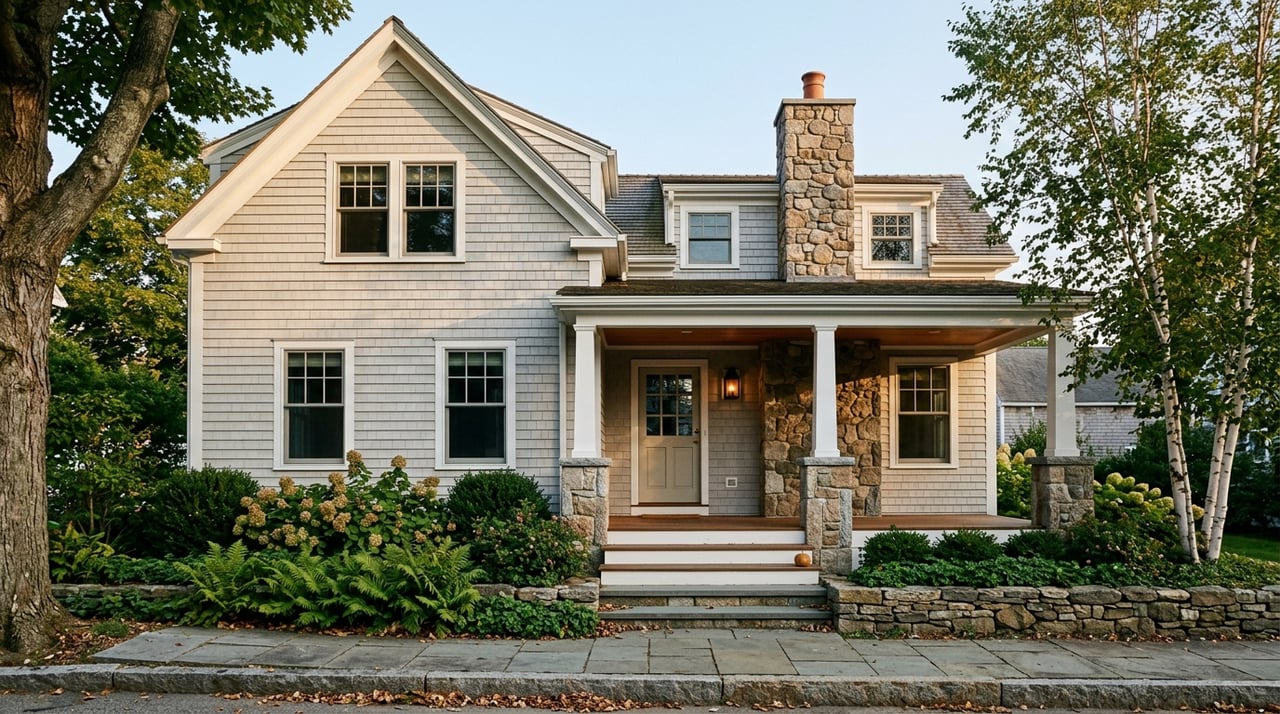
If you are drawn to Center Harbor, you may be asking a more specific question than it first appears: do you want the convenience of village living or the daily rhythm of life on the water? That choice can feel tricky because both options sit within the same small, highly appealing community. The good news is that each offers a distinct lifestyle, and once you understand the tradeoffs, the right fit becomes much clearer. Let’s dive in.
Why this choice feels unique in Center Harbor
Center Harbor is not a comparison between two separate towns or two totally different markets. It is one small New Hampshire community with a compact village center and several distinct shoreline settings on Lake Winnipesaukee, Squam Lake, and Lake Waukewan.
That matters because your decision is less about zip code and more about how you want to live day to day. You are choosing between easier access to town amenities and a more water-oriented home base, all within the same town.
The town describes itself as a residential village with a strong seasonal population. It also sees a noticeable increase in visitors during summer and on weekends, which can shape how both village and shoreline living feel throughout the year.
What village living offers
Village convenience is real
If you want to stay close to everyday essentials, the village core has a lot going for it. Town information notes that the public beach, playground, and dock complex are a short walk from Village Green, and many daily needs are within about a mile of the center.
That said, it is still important to keep expectations grounded. Center Harbor’s master plan notes that the automobile remains the primary mode of transportation, so this is better understood as a convenient small-town center rather than a fully walkable downtown.
Historic character shapes the feel
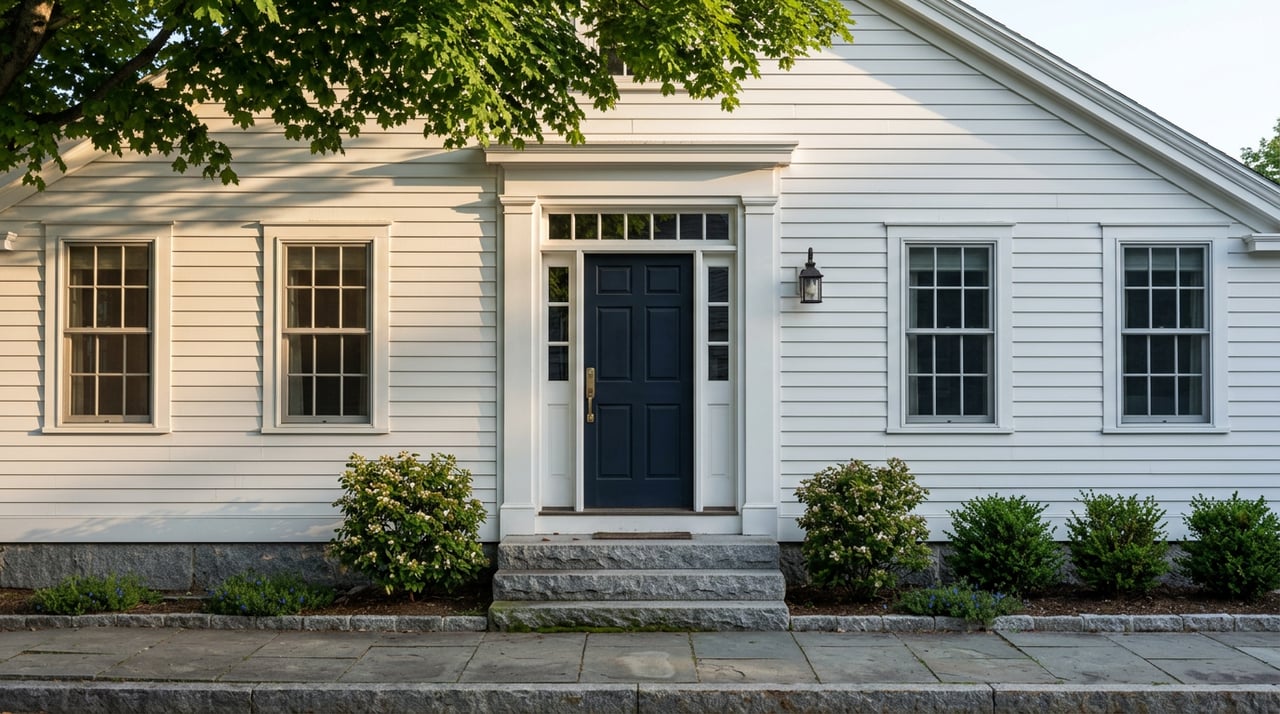
The village also carries a strong sense of history. The town highlights the Centre Harbor Village Historic District, the 1843 Town House, the 1886 Village Schoolhouse, and a 13-building historic walking tour.
For you as a buyer, that often translates into older-home character, architectural variety, and a setting with visible ties to the town’s past. It can also mean taking a closer look at how age, style, and location may influence future updates or exterior changes.
Who tends to prefer the village core
Village-core living usually appeals to buyers who want simpler access to municipal services, the library, public waterfront access, and local events. It can also be a strong fit if you like the idea of being near the center of town without taking on the added logistics that often come with direct shoreline ownership.
In practical terms, village living may suit you well if your priorities include:
- Easier access to town amenities
- Casual use of public waterfront areas
- A lower-maintenance lifestyle than a typical waterfront property
- Historic charm and a traditional village setting
What shoreline living changes
Shoreline living in Center Harbor is not one single experience. Your lifestyle can feel very different depending on which lake you choose and how you expect to use the property.
Across town, waterfront homes also tend to carry a more seasonal or second-home feel. The town’s hazard mitigation plan notes that seasonal homes are scattered throughout Center Harbor, many along the shoreline and on islands.
Lake Winnipesaukee feels most boat-oriented
Winnipesaukee is New Hampshire’s largest lake, and in Center Harbor it is the most activity-heavy shoreline setting. The town docks and boat ramp at 24 Lake Street are on Winnipesaukee, with 14 public slips, resident-free launching, a nonresident fee, and a three-hour dock-use limit with no overnight docking.
If you picture your time on the lake around boating access, active waterfront use, and a classic summer-lake atmosphere, Winnipesaukee may feel like the most natural fit. It tends to offer the strongest connection to a busy, recreation-forward waterfront lifestyle.
Squam Lake feels quieter and more nature-forward
Squam Lake offers a different pace. The Squam watershed materials describe a setting centered on natural beauty, peaceful character, and protected mountain views.
In Center Harbor, access to the Squam environment includes Chamberlain-Reynolds Memorial Forest, a 157-acre shoreline forest with beaches, a boardwalk, and more than four miles of trails. Belknap Woods also offers carry-in access for canoes and kayaks to Dog Cove.
If you want a shoreline home that feels more connected to paddling, trails, and quiet natural surroundings than to marina-style activity, Squam may align more closely with your goals.
Lake Waukewan feels smaller and more regulation-aware
Lake Waukewan has a different identity again. It is much smaller than Winnipesaukee or Squam at 912 acres, and the watershed extends into Center Harbor.
The town of Meredith identifies Waukewan as its drinking-water source, and Center Harbor’s conservation framework places strong emphasis on protecting wetlands, shoreland, and groundwater resources. For that reason, Waukewan-adjacent ownership often feels more watershed-conscious and less resort-like than the other shoreline options.
Compare village and shoreline priorities
When buyers sort through this decision, the clearest answer usually comes from lifestyle priorities rather than price alone. Think about how you want your home to function on a normal Tuesday, not just on a perfect July weekend.
Here is a simple way to frame it:
| If you value... | You may prefer... |
|---|---|
| Quick access to town amenities | Village core |
| Casual public waterfront use | Village core |
| Simpler property upkeep | Village core |
| Direct water orientation | Shoreline living |
| More privacy | Shoreline living |
| Dock or launch logistics tied to home life | Shoreline living |
Within the shoreline category, the pattern is usually straightforward:
- Winnipesaukee for the most boating-active setting
- Squam for the quietest, most conservation-oriented feel
- Waukewan for the smallest, most watershed-sensitive environment
Waterfront ownership brings more due diligence
Shoreland rules can affect future plans
If you are considering shoreline property, lifestyle is only part of the equation. You also need to understand what ownership may mean for maintenance, changes, and long-term planning.
New Hampshire’s Shoreland Water Quality Protection Act plays a major role here. The law establishes a 50-foot primary building line from the reference line, defines a 0-to-50-foot waterfront buffer and a 50-to-150-foot woodland buffer, requires at least 25 percent of the woodland buffer to remain natural woodland, and limits impervious surface to 30 percent unless a stormwater system is used.
It also requires a state permit for construction, excavation, or filling within protected shoreland. Some smaller projects may qualify for permit by notification if they stay within the law’s impact thresholds.
Center Harbor adds local overlay rules
Center Harbor adds another layer through its Water Resources Conservation Overlay District. The town’s zoning materials describe a 250-foot upland protective buffer for lakes and great ponds, along with smaller buffers for wetlands and streams.
That means one of the first questions to ask about any waterfront or water-adjacent property is not just whether it has frontage. You also want to know whether the lot falls inside protected shoreland or the town overlay, and whether future work could trigger review.
Common projects may need review
This is especially important if you are thinking ahead to improvements. Work involving additions, retaining walls, docks, septic changes, clearing, excavation, or filling may require a closer regulatory review depending on the property and location.
For many buyers, this is where local guidance becomes especially valuable. A beautiful shoreline setting can absolutely be worth it, but you want a clear picture of what ownership allows before you fall in love with the view.
Shared access rules matter too
Some buyers assume they can sort out access details later. In Center Harbor, it is better to ask those questions early.
The Center Harbor Town Beach and Beach Pavilion are limited to Center Harbor and Moultonborough residents, property owners, and guests. Parking permits are required from Memorial Day through Labor Day, and the town docks include a three-hour limit with no overnight docking.
These rules do not make shoreline or village life better or worse. They simply show that waterfront convenience often comes with more structure and shared-use management than buyers expect at first glance.
How to decide with confidence
If you want to walk to town amenities, enjoy public waterfront access, and keep upkeep more manageable, the village core will often be the better match. If you want a home that revolves around the water itself, with more privacy and stronger ties to boating, paddling, or shoreline living, a waterfront setting may feel more rewarding.
In Center Harbor, the best decision usually comes down to three questions:
- How often do you want to be on or near the water?
- How much property maintenance and permitting complexity are you comfortable with?
- Do you want convenience to town, or do you want your setting to be the main event?
When you answer those honestly, your direction usually becomes clear. And in a town with this much natural beauty packed into one small footprint, either path can be the right one when it fits the way you actually live.
If you are weighing village convenience against waterfront ownership in Center Harbor, Mulligan Property Group can help you evaluate lifestyle fit, property details, and local considerations with the kind of hands-on guidance that matters in the Lakes Region.
FAQs
How is Center Harbor village living different from shoreline living?
- Village living usually offers easier access to town amenities, public waterfront areas, and municipal services, while shoreline living is more focused on direct water access, privacy, and lake-based recreation.
Which Center Harbor lake is best for active boating?
- Lake Winnipesaukee is generally the most boating-oriented option in Center Harbor, with town docks, a boat ramp, and a more activity-heavy waterfront setting.
Which Center Harbor lake feels quietest for nature lovers?
- Squam Lake is typically the best fit if you want a quieter, more nature-forward shoreline with access to trails, beaches, boardwalks, and carry-in paddling access.
What should buyers know about Lake Waukewan in Center Harbor?
- Lake Waukewan is smaller than Winnipesaukee and Squam, and because it is tied to watershed and water-resource protection, ownership nearby can feel more regulation-conscious and less resort-oriented.
Do waterfront homes in Center Harbor face shoreland rules?
- Yes. Waterfront properties may be affected by New Hampshire’s Shoreland Water Quality Protection Act, and some lots may also fall within Center Harbor’s Water Resources Conservation Overlay District.
What Center Harbor property questions should buyers ask first?
- Buyers often start with dock rights, whether access is public or resident-only, whether a home is in the historic district, and whether future work may require shoreland or local permitting review.