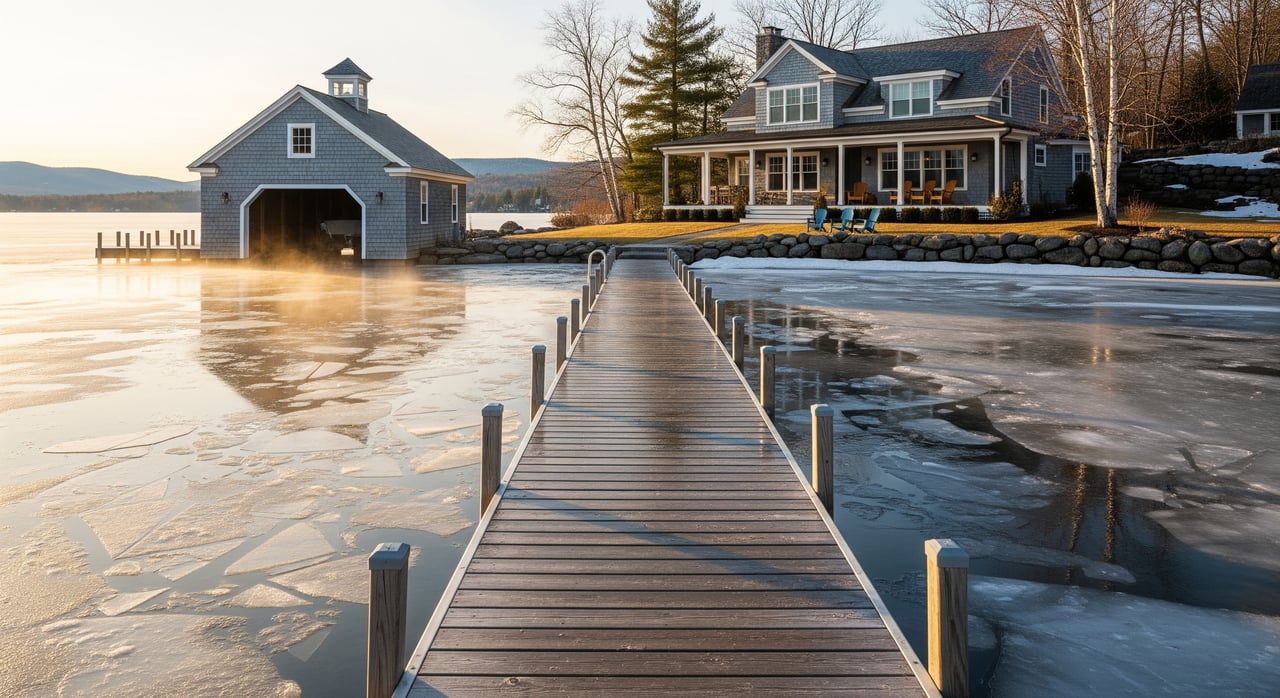
Are you timing your next move around lake season in Center Harbor? If you are buying or selling on Lake Winnipesaukee or Squam Lake, the moment the ice clears changes how properties look, show, and close. You want a plan that lines up with ice-out so you capture peak interest and avoid seasonal bottlenecks. In this guide, you’ll learn what ice-out means locally, how it shapes demand, and the exact steps to take so your timeline works. Let’s dive in.
What ice-out means in Center Harbor
Ice-out is the point when lake ice has thawed enough that boats can navigate open water. In Center Harbor, it matters for both Lake Winnipesaukee and Squam Lake, which can clear at different times. When the lakes open, marinas gear up, dock work resumes, and waterfront listings look their best.
For you, ice-out is a practical signal. Buyers start picturing summer on the water, sellers get stronger visuals for marketing, and inspections tied to shoreline structures become easier to schedule.
How ice-out shapes demand
Buyer behavior around open water
- Interest in waterfront and deeded-access homes increases from late spring into summer.
- Many second-home buyers want possession by early season so they can enjoy the property right away.
- Some buyers shop year-round, but ice-out often accelerates decisions once the lakes look open and usable.
Seller timing pros and cons
- Listing before ice-out
- Pros: Motivated buyers are active and competition can be lighter.
- Cons: Photos and showings may underplay lakeside appeal, and docks may not be installed yet.
- Listing right after ice-out
- Pros: Best visuals with open water and easier dock demonstrations during showings.
- Cons: More listings hit at once, which can increase competition.
- Listing in summer or early fall
- Pros: Full summer use is visible with active shoreline scenes.
- Cons: Some buyers have already set summer plans, and urgency can taper.
Timing strategies for sellers
If you plan to list before ice-out
- 3 to 4 months out
- Tackle major repairs and safety items.
- Speak with the harbor master about dock scheduling and mooring logistics.
- If dock or shoreline work is planned, review permitting steps with the town and state early.
- 6 to 8 weeks out
- Gather prior-season photos and drone footage showing open water.
- Assemble records for deeded dock rights or mooring documentation.
- Schedule septic and well checks where possible and collect recent reports.
- At listing
- Clearly disclose current conditions and dock status.
- Outline expected timelines for marina opening and dock installation.
If you plan to list right after ice-out
- Late winter to early spring
- Finish repairs, staging, and exterior prep.
- Pre-book your photographer so you can capture open water quickly.
- Immediately after ice-out
- Refresh listing media with shoreline, dock, and drone shots.
- Complete shore and dock inspections and update disclosures.
If you plan to list in summer or early fall
- Focus on showcasing active lake life visuals.
- Keep up with lawn, shoreline, and dock maintenance for showings.
- Prepare for buyers who may negotiate based on shortening summer use.
Timing strategies for buyers
Before you start touring
- Clarify your ideal closing window relative to ice-out and summer plans.
- Decide whether a deeded dock, transferable mooring, or municipal access is essential.
- Ask early about marina slip availability and waitlists if you need one.
Writing offers and contingencies
- Include the right to inspect docks, lifts, and shoreline structures after ice-out.
- Request maintenance records for septic, well, and seasonal systems.
- Confirm what is included in the sale, such as docks, lifts, and moorings, and whether permits transfer.
Closing and possession
- Coordinate with installers and marinas for dock placement and boat launch timing.
- Verify insurance on waterfront structures and any seasonal coverage needs.
- Plan for service calls shortly after ice-out to check pumps, water systems, and shoreline equipment.
Docks, moorings, permits, and logistics
Waterfront use depends on what you actually own or control. Confirm whether you have a deeded dock, a transferable mooring, or access through a municipal or association program. Marina slips are seasonal and often limited, and transfers may require paperwork.
Shoreline projects may need approval from the New Hampshire Department of Environmental Services, along with any local conservation or zoning review. Permit timing is seasonal, so start early. The Town of Center Harbor and the harbor master are key contacts for mooring rules, launch schedules, and town dock information.
Expect variation in contractor availability near ice-out. Dock installers, marinas, and service providers book up quickly, so secure dates well ahead of your target closing.
Inspections and seasonal systems
Many inspections and repairs are easier once the thaw arrives. Build your plan around access and safety.
- Docks and shoreline
- Inspect cribbing, anchors, lifts, and walkways after ice-out.
- Confirm installation schedules and any permit conditions for maintenance.
- Septic and well
- Schedule a pump and septic inspection as soon as the ground allows.
- Test well water and review seasonal salt and sand use near the system.
- Utilities and structures
- Check heat and plumbing after winterization.
- Review insurance needs for docks, lifts, and shoreline structures.
Market positioning and pricing
Waterfront listings see sharper seasonality. After ice-out, your property can draw more showings and stronger engagement due to open-water visuals and easier access. If your goal is to close before peak summer, a pre-ice-out launch with well-crafted media can attract motivated buyers. If your goal is maximum presentation, plan to go live right after ice-out and compete on preparation and marketing quality.
Prices reflect broader market conditions, so use current MLS data and a local strategy to guide your approach. The right timing can influence visibility, showing volume, and negotiation leverage.
Local resources to contact
- Town of Center Harbor: harbor master, town clerk, planning and conservation staff
- Lake organizations: Squam Lakes Association and local Lake Winnipesaukee shore associations
- State and federal agencies: New Hampshire Department of Environmental Services, FEMA flood mapping, state and federal climate data resources
- Real estate market data: New Hampshire Association of REALTORS and the regional MLS serving Belknap County
- Service providers: local marinas and boatyards, dock installers, septic and well inspectors, and waterfront-savvy insurance agents
Bringing it all together
Ice-out is your seasonal cue to align listing prep, dock logistics, and offer timing with how buyers shop in Center Harbor. Whether you are aiming to close before summer or to launch at peak visual appeal, a clear plan will save you time and stress.
If you want help building a timeline that fits your goals, we are here to guide you from strategy and permitting through photography and closing. Schedule a private consultation with Mulligan Property Group.
FAQs
When is ice-out for Center Harbor lakes?
- Dates vary by year and by lake. Check records from local lake associations, the Town of Center Harbor, and regional outlets for current updates and historical context.
Should I list my waterfront home before or after ice-out?
- It depends on your goals. List before ice-out to capture motivated buyers and potentially less competition, or right after ice-out for peak visuals and easier dock showings.
Do buyers expect the dock to be installed at closing?
- Not always. Confirm whether the dock or mooring is included, if permits transfer, and align installation schedules with your closing timeline.
Are special permits needed for dock or shoreline work?
- Many projects require permits from the New Hampshire Department of Environmental Services and may involve local review. Start early to meet seasonal windows.
Does ice-out change prices in Center Harbor?
- Ice-out affects buyer activity and showing volume, but pricing is driven by overall market conditions. Timing your launch can influence visibility and competition.